Anchors: American Fork - Hell Area and White Wave
During the week of April 20, 2026, the Anchor Crew headed down to American Fork Canyon, focusing our efforts on the Hell Area. Last November, the SLCA was notified of a loose glue-in bolt—commonly referred to as a “clicky” (not installed by the SLCA)—in the El Diablo Area. Addressing this issue became a high priority for the start of our 2026 anchor season.
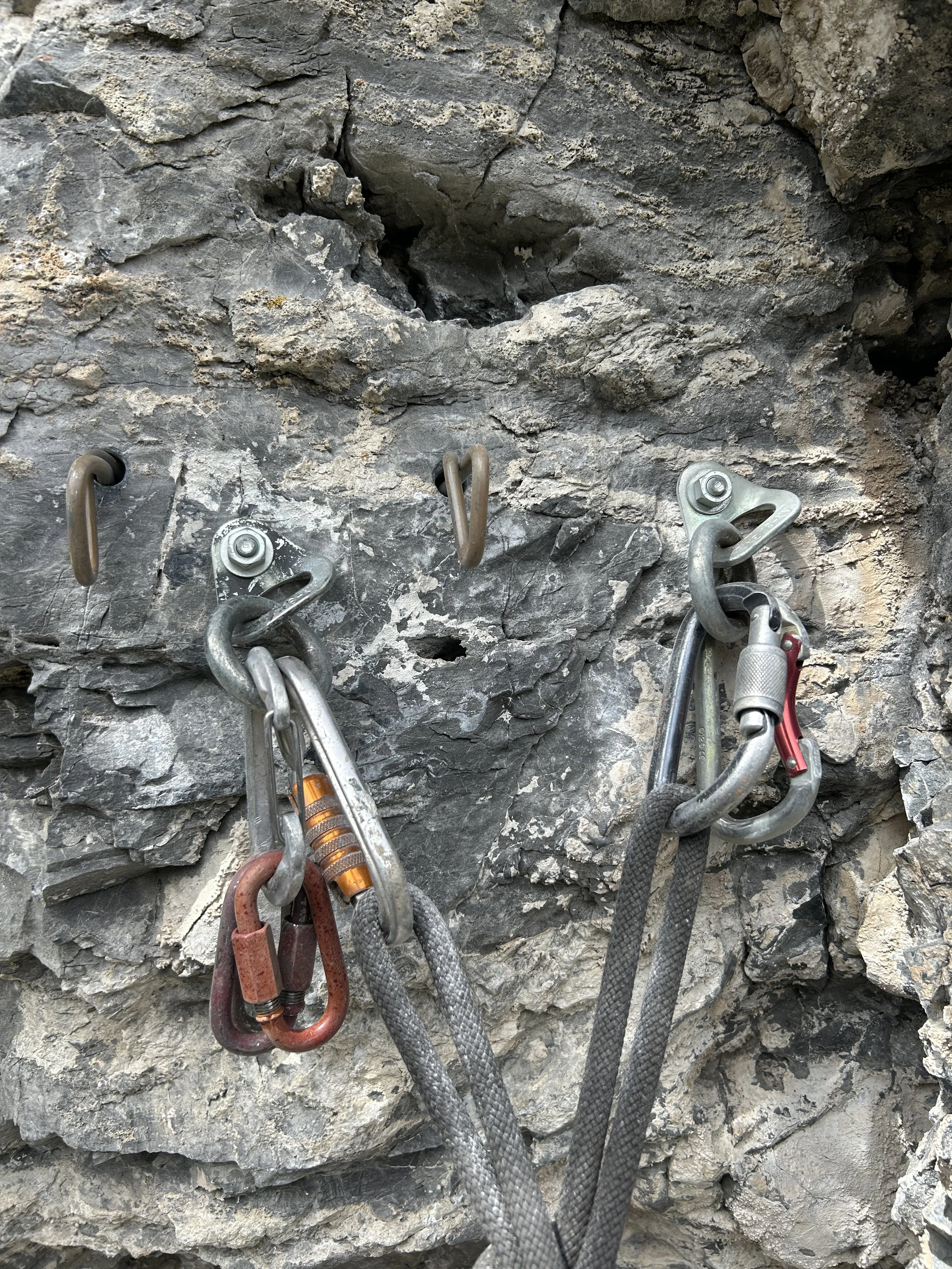
During our initial visit on April 20, we discovered that the problem extended beyond the single bolt that had been reported. What first appeared to be an isolated incident quickly revealed itself as a broader installation failure. Over the course of the visit, we removed eight glue-in bolts, seven of which were hole-for-hole replacements.
While it’s difficult to determine the exact cause, we believe a combination of factors contributed to these glue-in failures.
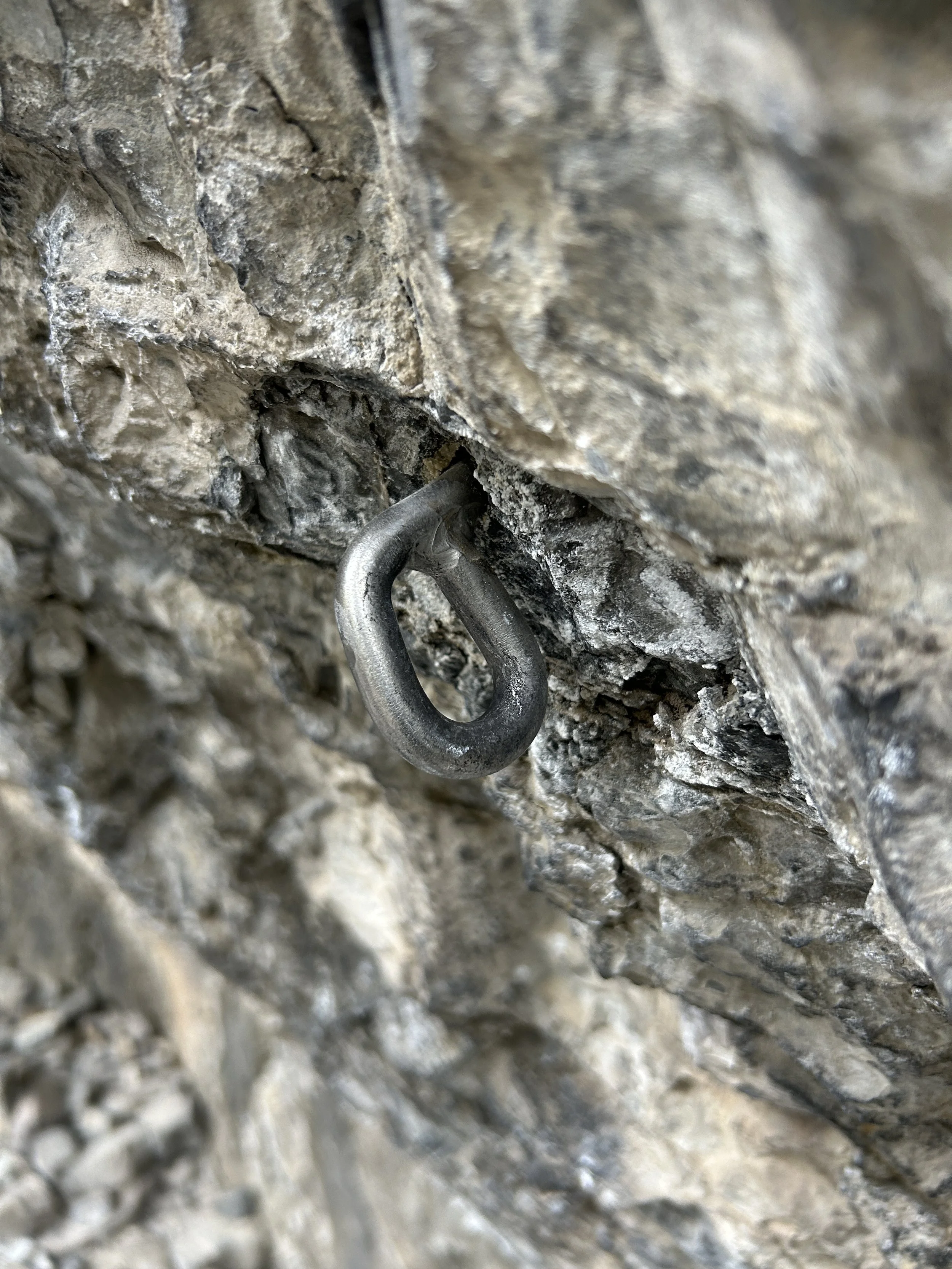
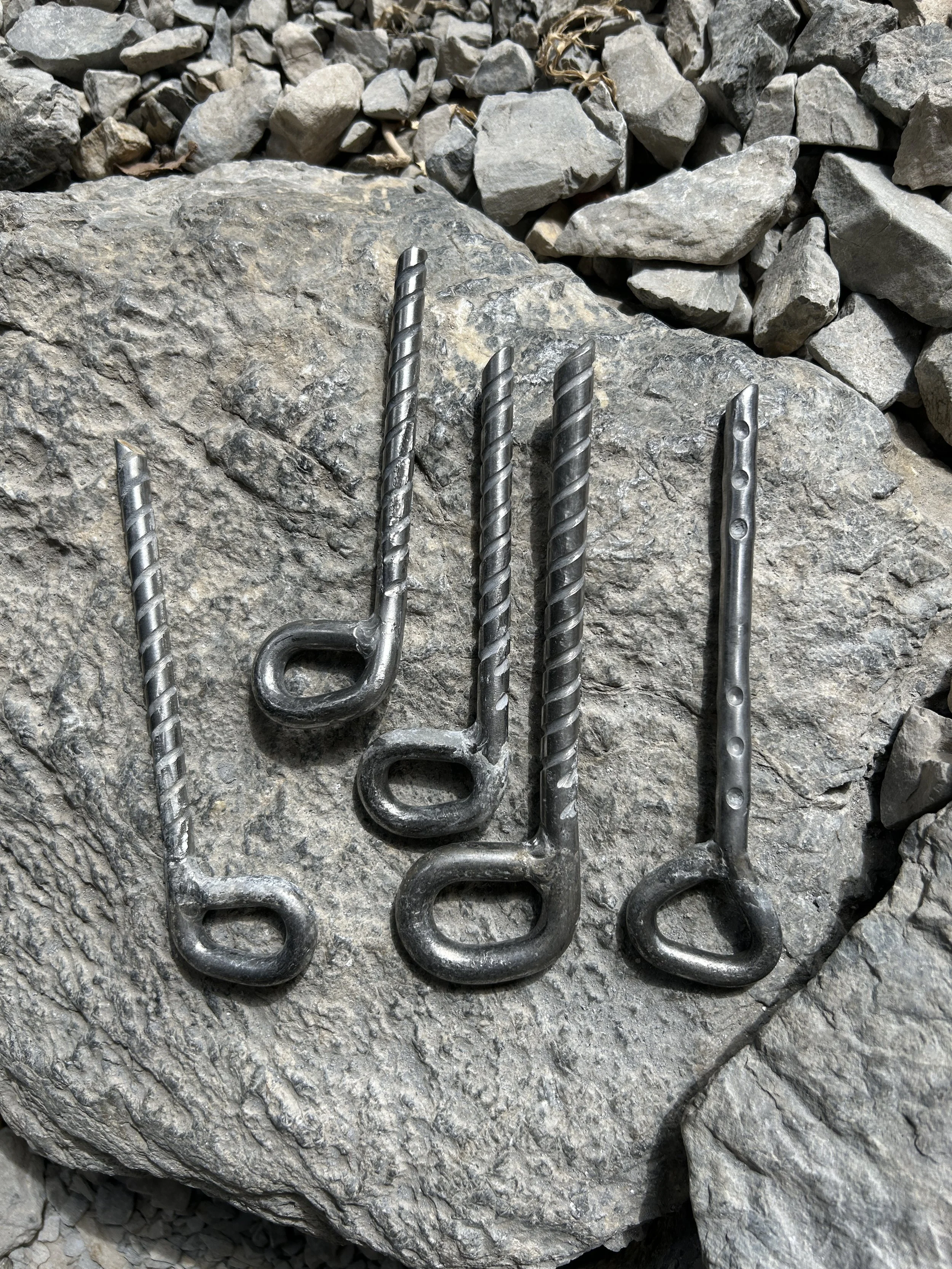
Contributing Factors
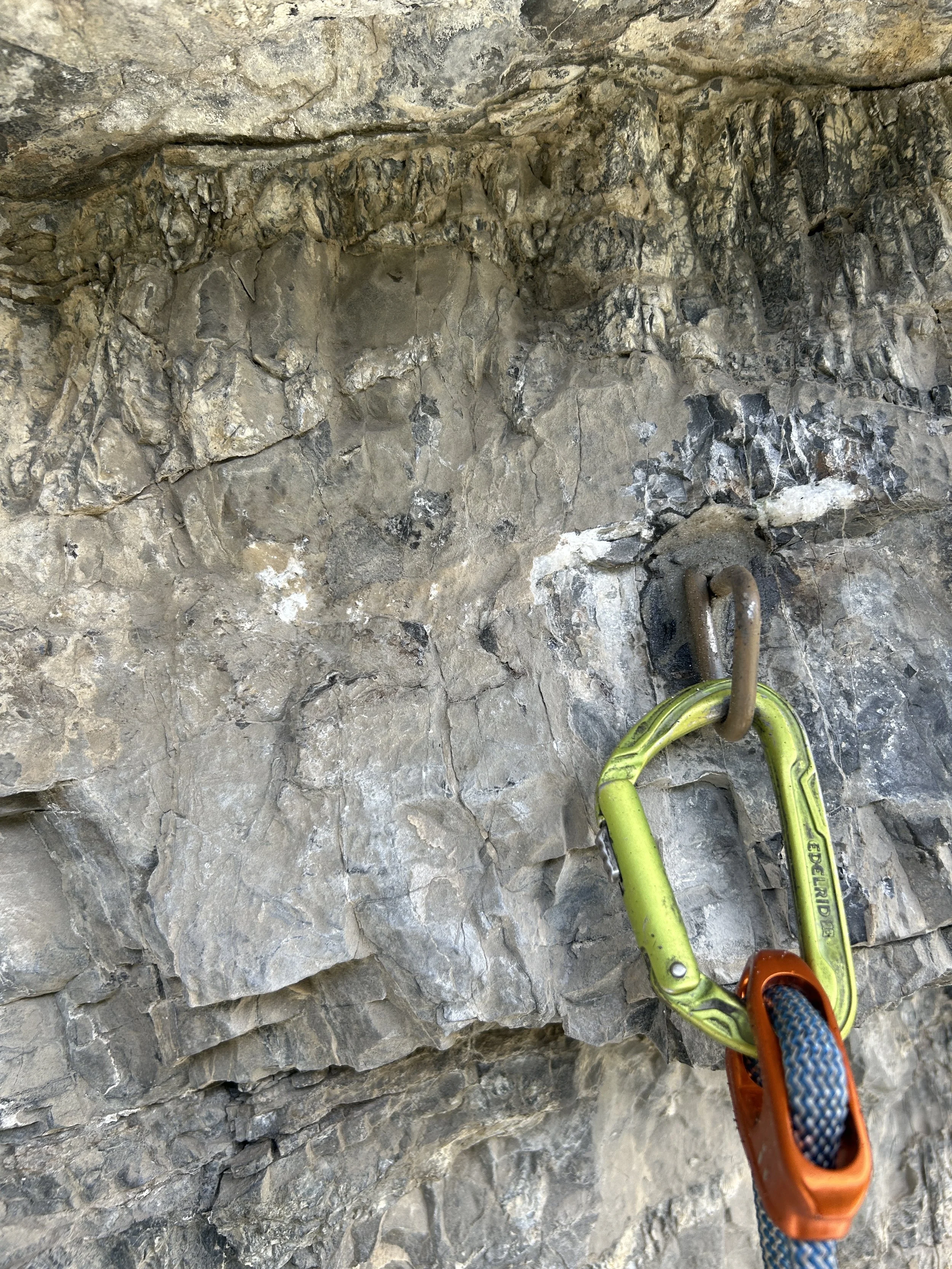
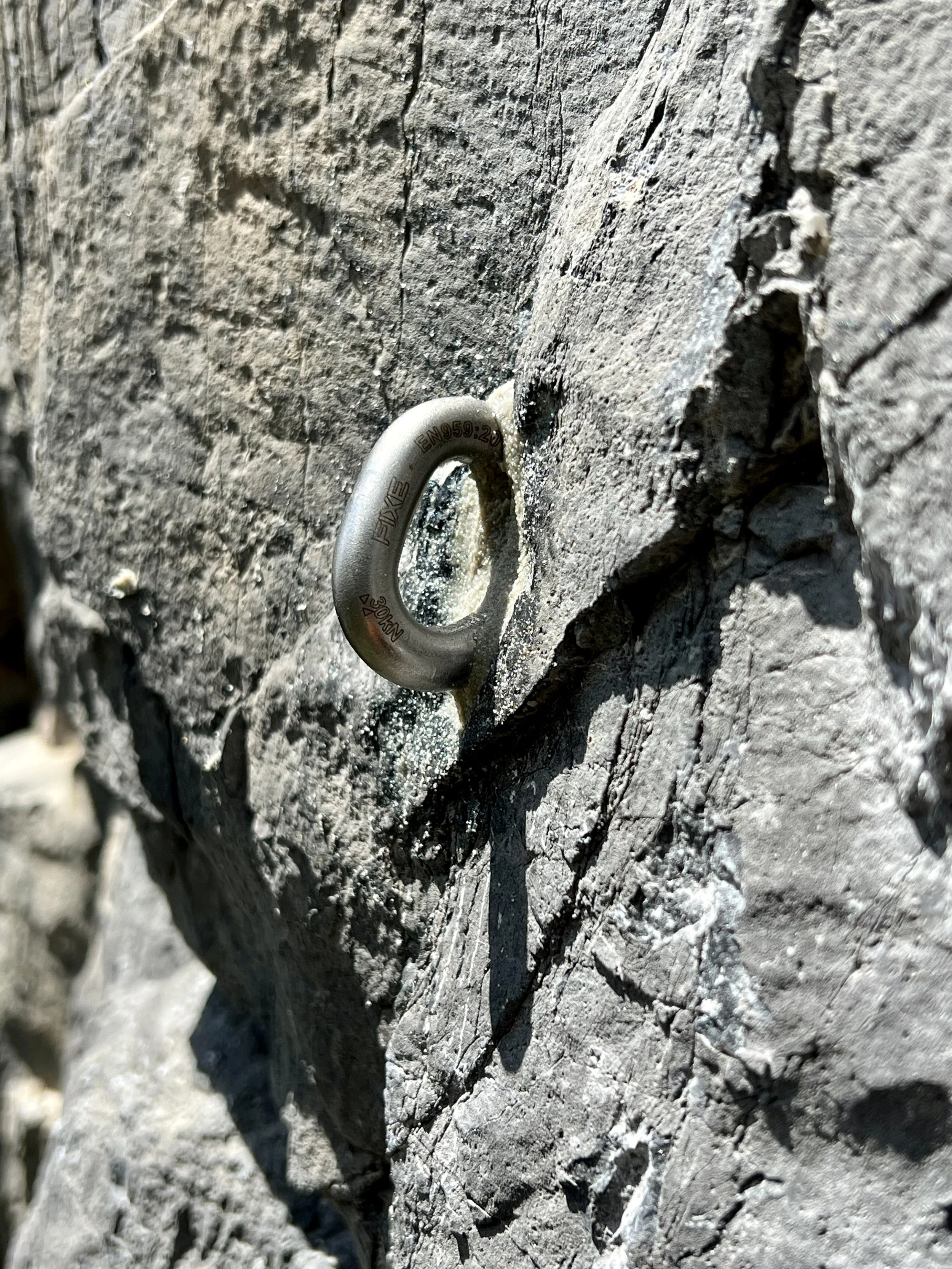
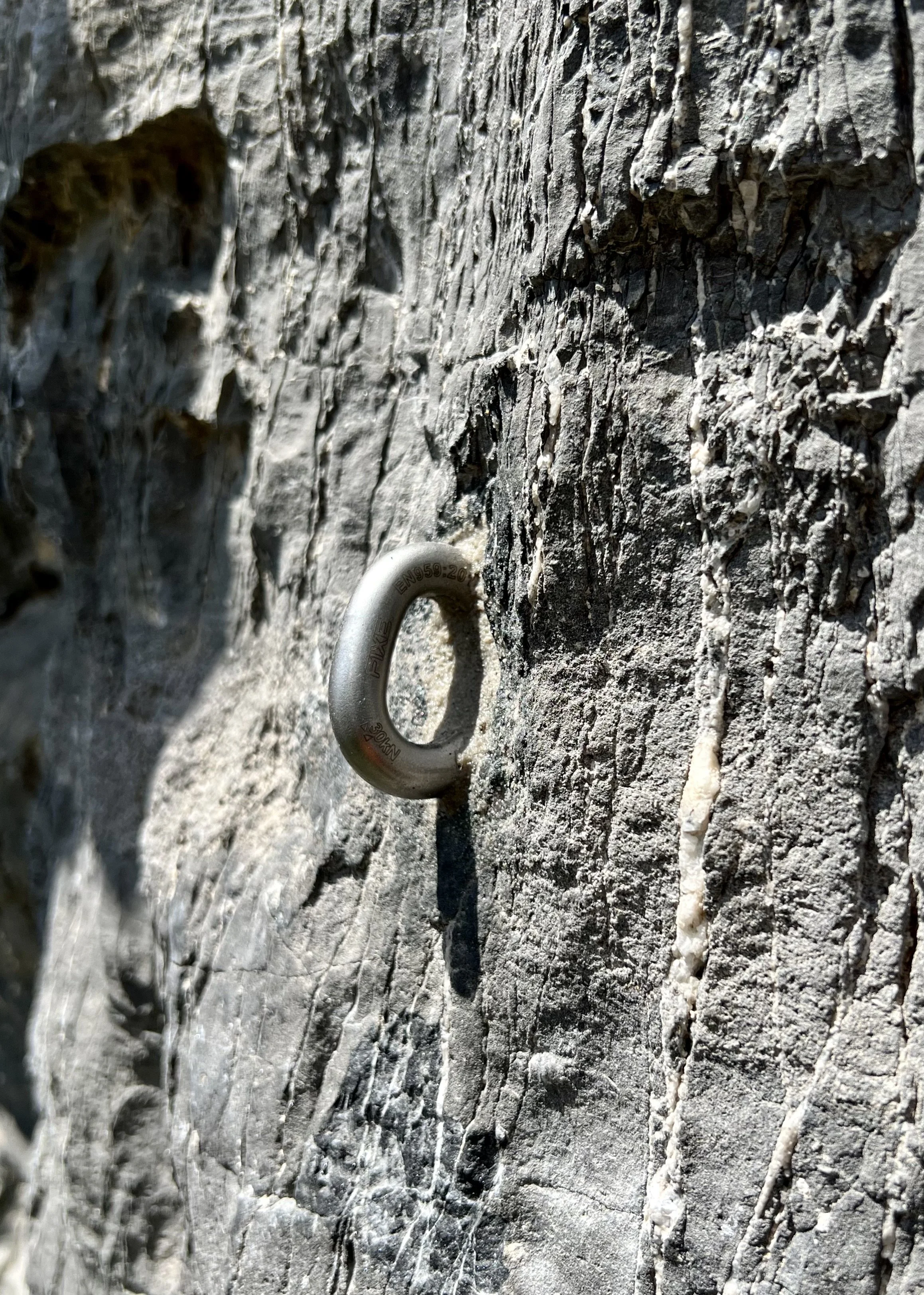
Notching: All eight bolts were a style intended to be notched (countersunk) into the rock. This notch helps lock the glue-in in place and prevents it from spinning. Because the shafts of these bolts are round, proper notching is critical—without it, there’s little to resist rotational movement. (See photo for an example of correct installation.)
Bolt Diameter: Seven of the eight bolts removed—the “P”-shaped glue-ins with spiral grooves—are believed to be from Bolt Products and are metric (10 mm and 12 mm). The remaining bolt, an eyelet-style glue-in, is believed to be a FIXE bolt, likely 10 mm in diameter.
We suspect a 3/8" drill bit was used to install some of the 10 mm bolts. A 3/8" hole equals 9.525 mm, which provides minimal (or no) clearance for adhesive. This likely resulted in insufficient glue to fully encapsulate the bolt and properly bond it to the rock.
Bolt Length: All bolts were approximately 6" or longer. When drilling with a 3/8" bit, standard adhesive mixing nozzles often cannot reach the back of the hole due to the tight diameter. While products like the DeWalt AC100 adhesive include a standard mixing tip, they do not typically include nozzle extensions. These extensions—needed for properly filling deeper holes—are usually purchased separately.
We believe extensions were not used, meaning glue may not have been placed at the back of the hole, leading to incomplete bonding.
Bolt Style: The “P”-shaped bolts (believed to be from Bolt Products) showed a tendency to spin in a consistent direction once loosened. Without proper notching and full bonding, the spiral geometry appeared to encourage counterclockwise rotation—similar to a screw backing out—further contributing to loosening over time.
Bolt Alignment: All of the removed bolts were installed out of level (not vertical). When a bolt is misaligned, it tends to be loaded in a consistent direction, which can place uneven stress on the bond between the rock, adhesive, and steel. Over time, this directional loading may contribute to loosening. Proper vertical alignment helps distribute forces more evenly and reduces this risk.
Examples of properly installed glue-in bolts that require notching
White Wave Wall
During the April 20–24, 2026 work week, the crew also spent time at the White Wave Wall near Hard Rock, where we rebolted three routes: Edge of Chaos (5.11b/c), Kill Your Lawyer (5.11b/c), and Sandbagged by the Weatherman (5.12a). All three routes were fully rebolted using Team-Tough glue-in bolts, and the anchors were updated with steel mussy hooks.