
Advocacy: American Fork Site Visit Highlights Urgent Need for Wilderness Anchor Maintenance in the Wasatch
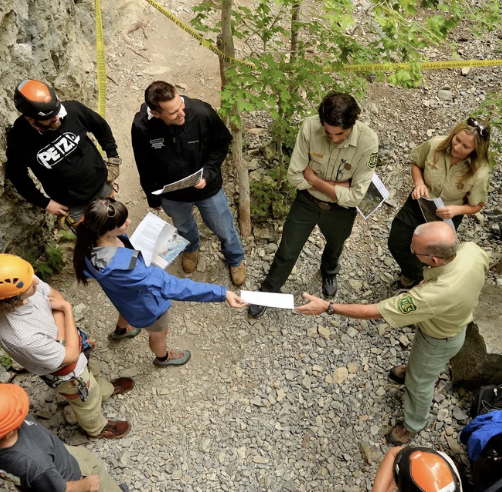
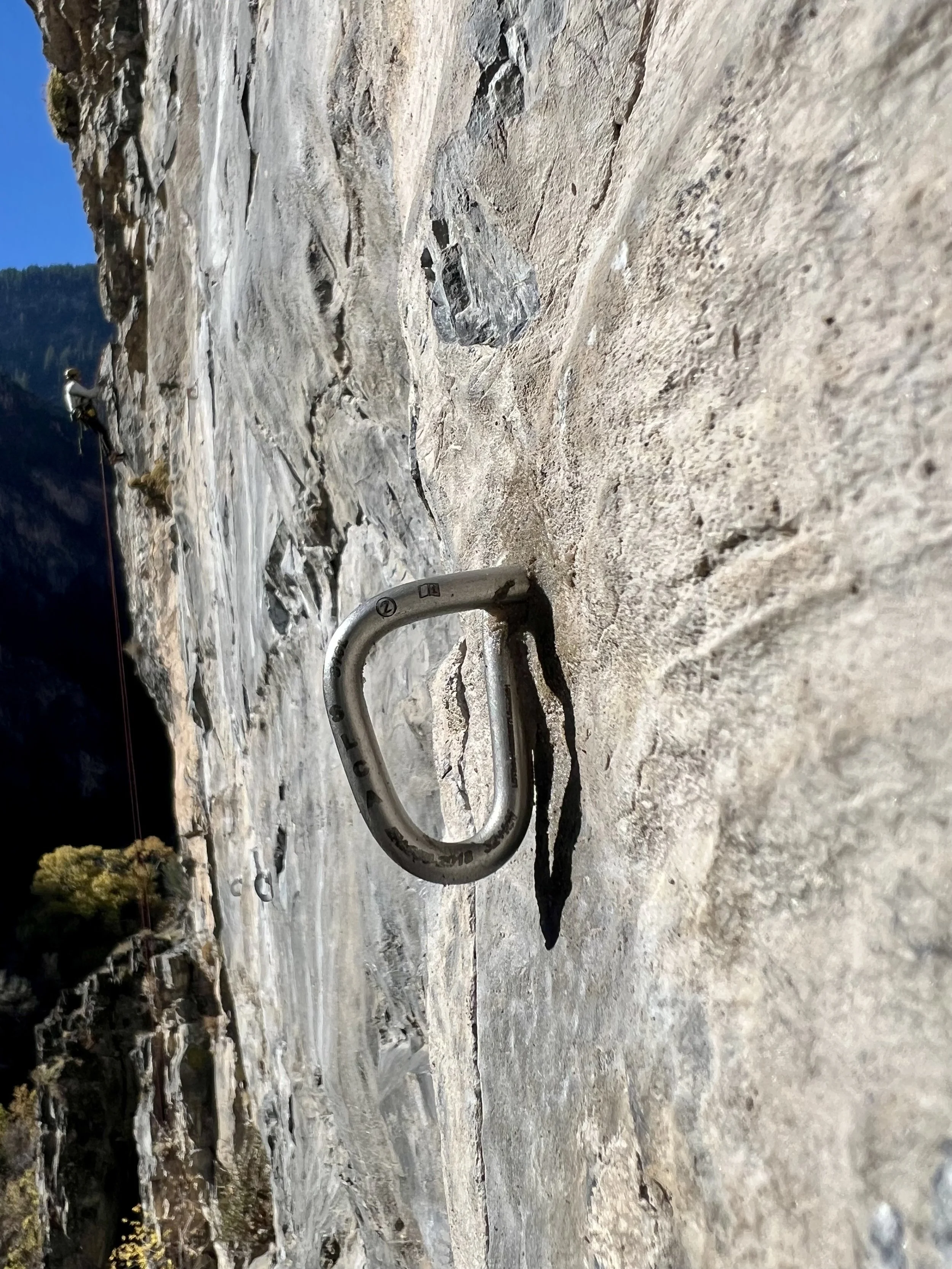
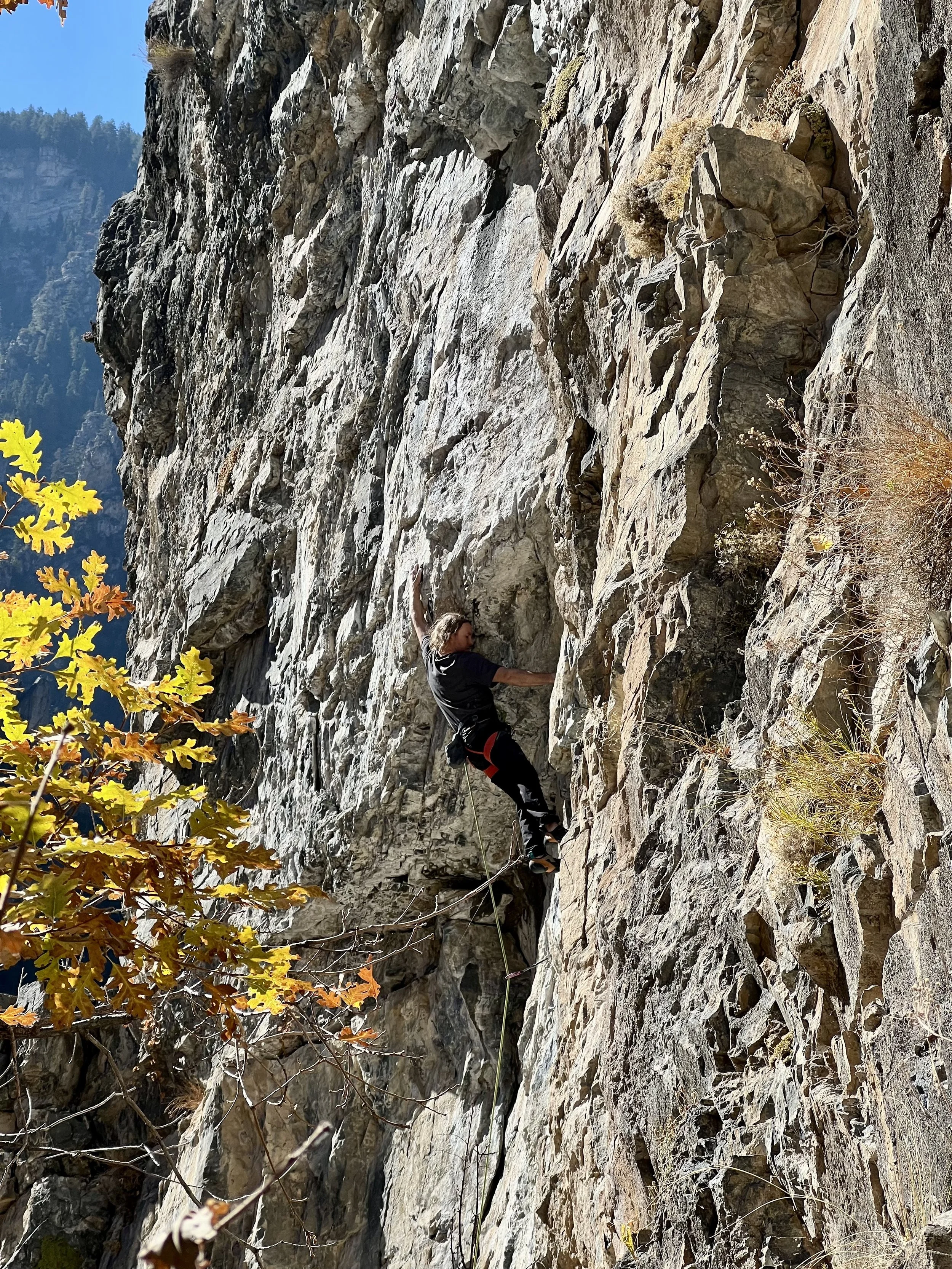
This past week, the Salt Lake Climbers Alliance convened a critical on-the-ground meeting at Hard Rock in American Fork Canyon with leadership from the Uinta-Wasatch-Cache National Forest, the Utah Division of Outdoor Recreation, and staff from Senator Mike Lee’s and Representative Kennedy’s offices.
Hard Rock is emblematic of climbing across the Wasatch: a single cliff band that spans both Wilderness and non-Wilderness boundaries.
A Growing Recreation Community Meets Aging Infrastructure
Utah, like much of the American West, is blessed with world-class climbing—from roadside crags to alpine summits. Much of this climbing has existed in Wilderness for decades and continues to see rapidly increasing use.
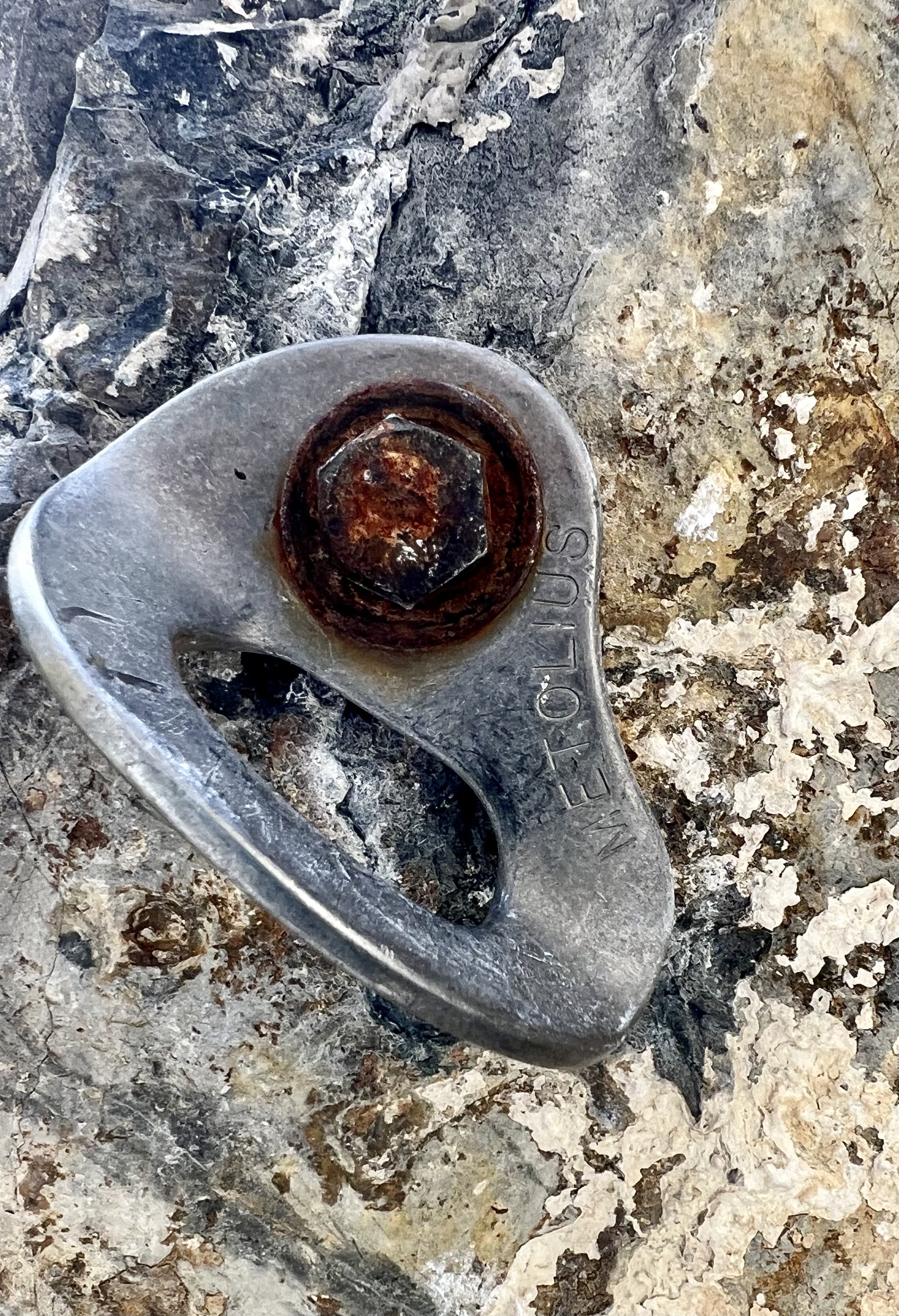
American Fork Canyon itself became a hub for modern sport climbing in the late 1980s and early 1990s, when developers began establishing bolted limestone routes that are still heavily used today. Many of those original anchors remain in place.
Today, nearly 30% of climbing in the Uinta-Wasatch-Cache National Forest occurs in designated Wilderness—just minutes from Salt Lake City. That represents hundreds of established routes relying on fixed anchors that were installed decades ago.
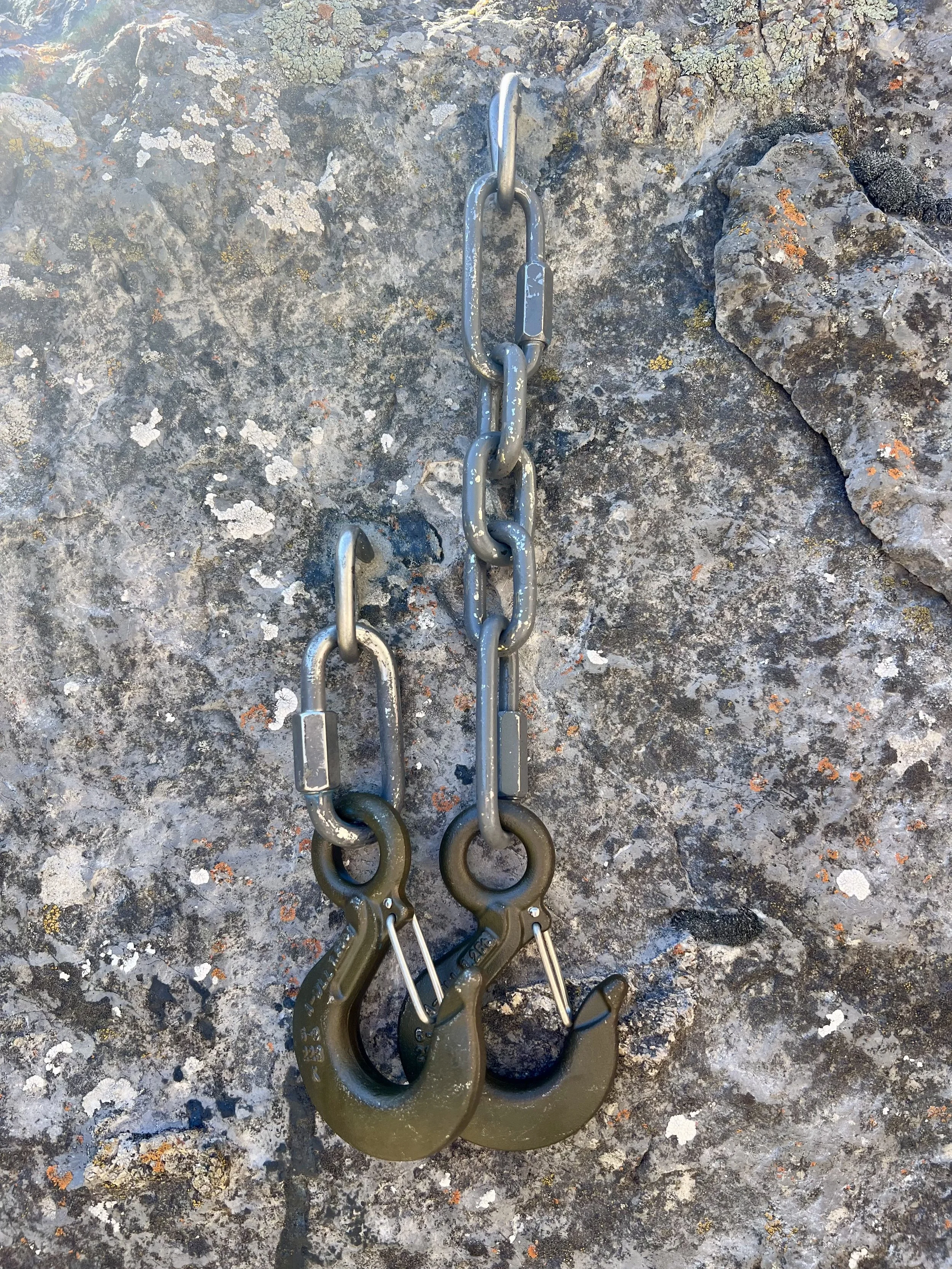
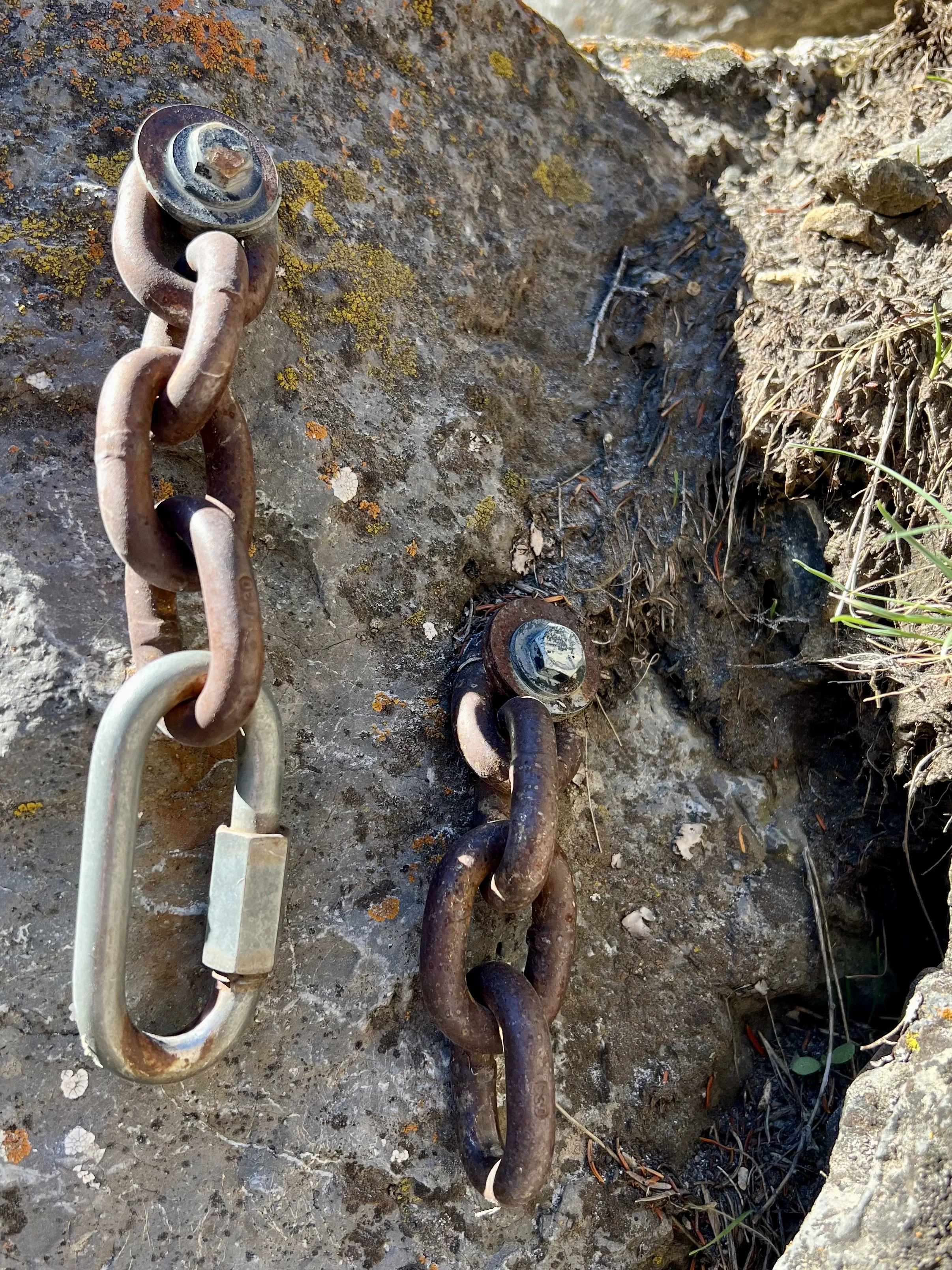
Many of these anchors are aging, non-stainless bolts and hardware. Without replacement, they will continue to corrode, weaken, and ultimately fail under human weight.
This is not a hypothetical issue. It is a known and growing public safety concern.
Guide and outfitter businesses, university programs, youth groups, and the general public all depend on these anchors every day. Maintaining them is not about convenience—it is about preventing accidents before they happen.
Climbing Infrastructure is Recognized—and Protected
On December 19, 2024, the passage of the EXPLORE Act, including the Protecting America’s Rock Climbing (PARC) Act, affirmed that:
Climbing is an appropriate use of Wilderness
Fixed anchors (bolts, pins, slings) are a legitimate and necessary part of that experience
The placement, use, and maintenance of anchors is allowed
This federal direction reinforces what climbers and land managers have long understood: fixed anchors are essential infrastructure.
A Critical Step Forward: The Minimum Requirements Analysis (MRA)
SLCA has been advocating for the agency to take action on fixed anchor maintenance in Wilderness for nearly a decade—and we continue to push this work forward.
As discussed during the site visit, the Uinta-Wasatch-Cache National Forest is nearing approval of a Minimum Requirements Analysis (MRA) that would authorize fixed anchor maintenance in Wilderness using battery-powered drills.
This decision is pivotal.
Approval of the MRA would allow SLCA to begin replacing aging anchors across the forest—bringing them up to modern safety standards using stainless hardware designed to last decades.
SLCA operates the first professional fixed anchor maintenance crew in the country, equipped to complete this work safely, efficiently, and in alignment with land manager guidance.
Gratitude for State and Federal Support
We want to thank Utah legislators for their continued support of the Utah Division of Outdoor Recreation and its recreation infrastructure grant programs, which help fund critical public safety work like fixed anchor maintenance.
We also recognize the ongoing efforts of the U.S. Forest Service. The agency is navigating increasing recreation demand with limited capacity and resources, yet continues to engage on this issue and work toward a path forward for safe, sustainable climbing infrastructure in Wilderness.
The Urgency
30% of climbing in the Uinta-Wasatch-Cache National Forest is in Wilderness—and much of it has never seen professional anchor maintenance.
We have the tools.
We have the trained crew.
We have federal direction.
What we need now is timely implementation. And your support!
This is an opportunity for Utah to lead—to demonstrate a proactive, common-sense approach to managing climbing infrastructure in Wilderness that can serve as a model for forests across the country.
SLCA stands ready to get to work.