
Anchors: China Cave
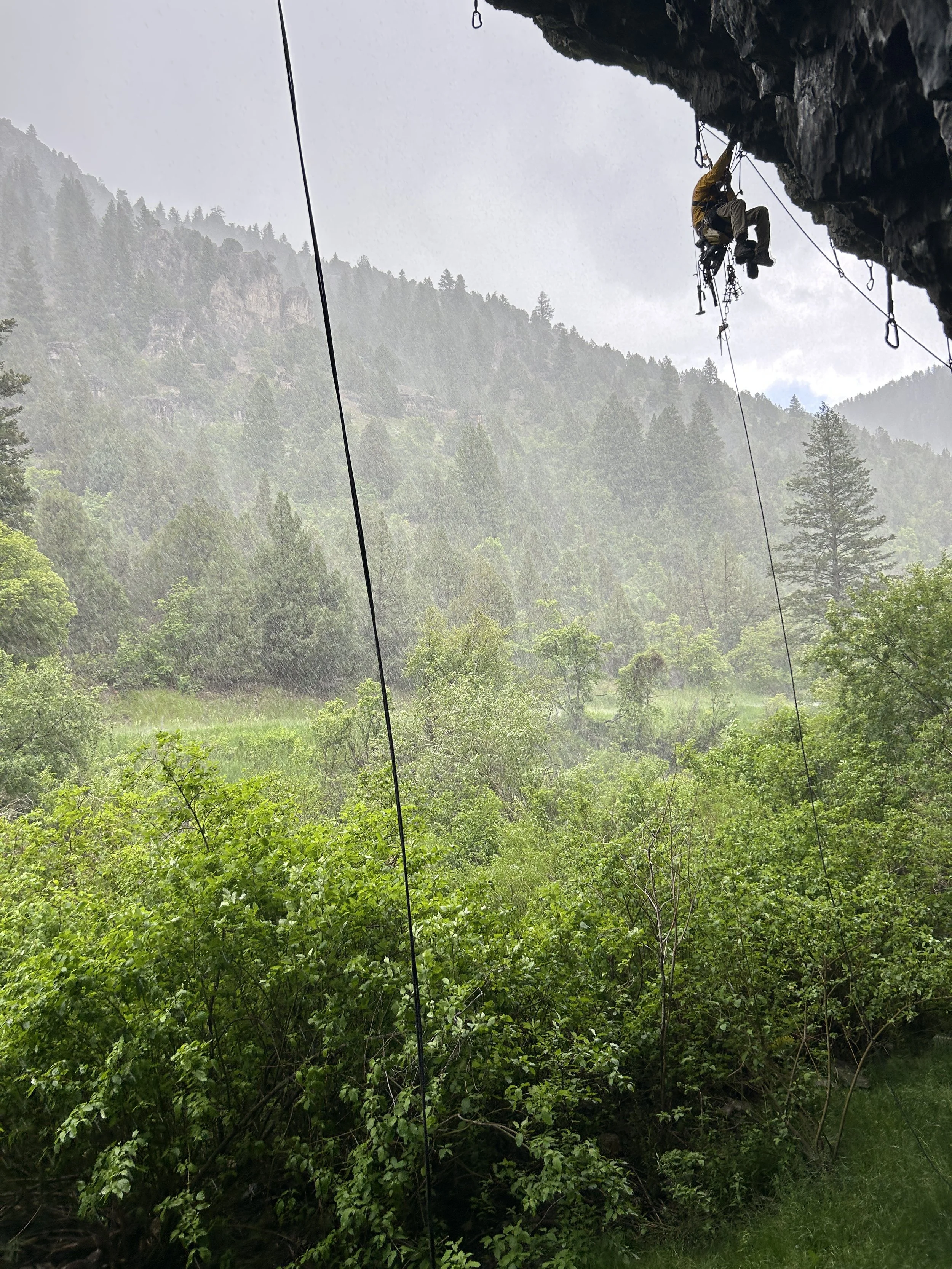
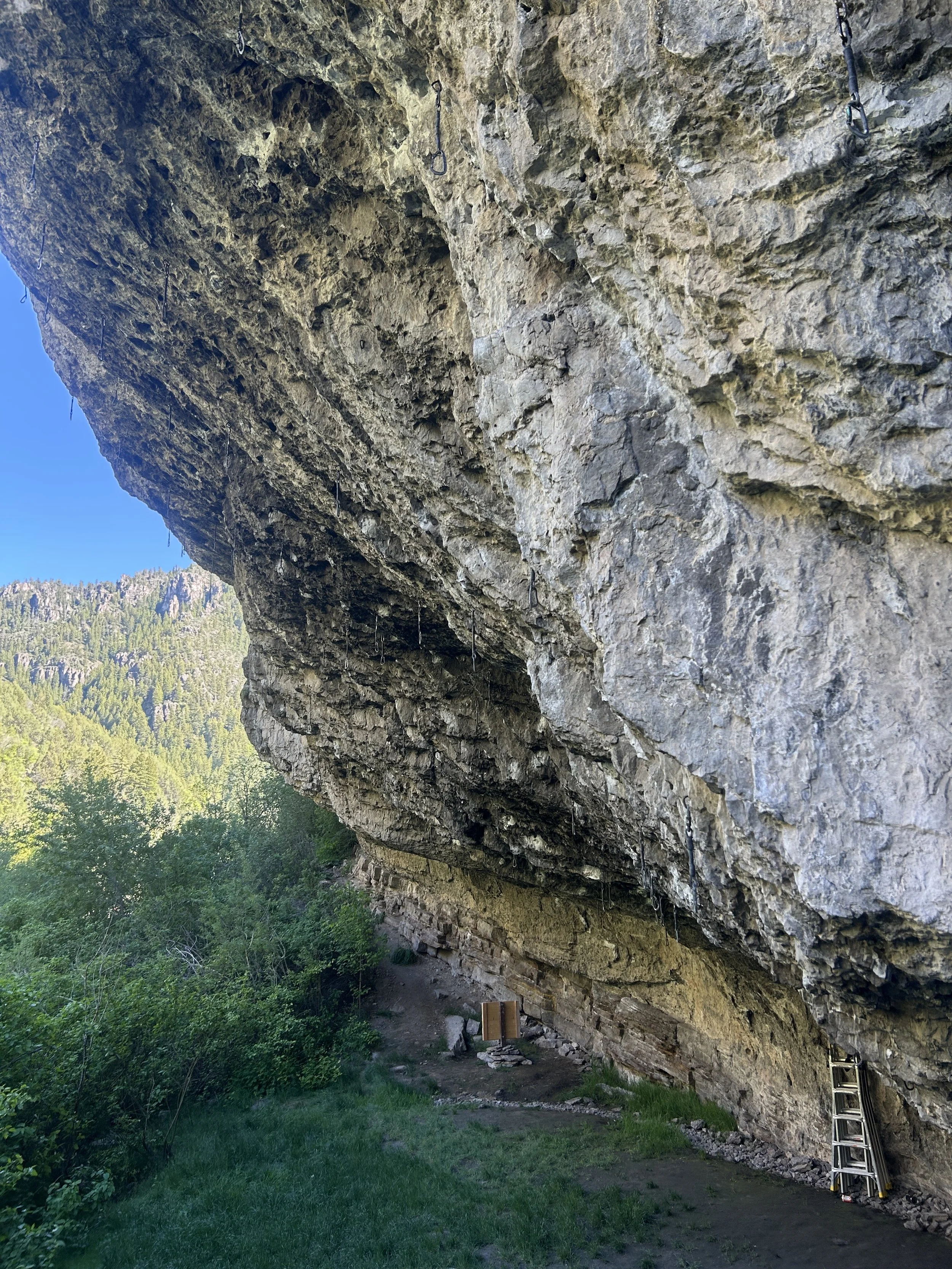
During the week of June 8-12, 2026, the Anchor Crew headed north to focus their efforts on the much-needed rebolt of the famous China Cave in Logan Canyon. Working largely out of cell service and deep within the canyon, the crew spent the week updating aging hardware at one of Utah's most iconic sport climbing destinations.
This project was the culmination of more than two years of planning, coordination, and collaboration. Working behind the scenes with the Logan Ranger District, the State Historic Preservation Office (SHPO), the Northern Utah Climbers Alliance (NUCA), and members of the local climbing community, the path forward was anything but straightforward. Balancing recreation, cultural resource protection, and scenic values required patience, communication, and a shared commitment to finding a solution that worked for everyone.
Donate to the rebolting of the China Cave:
Background
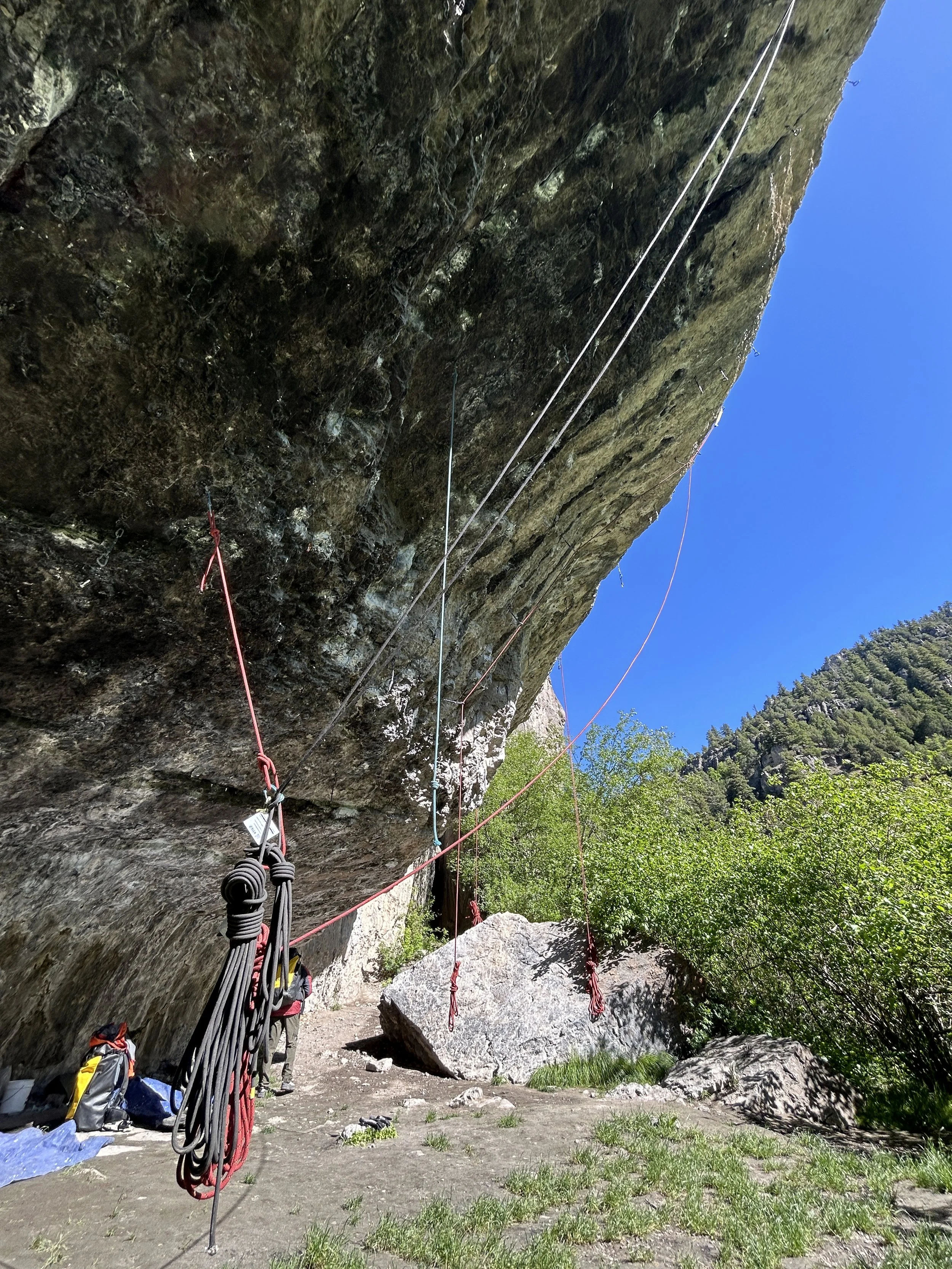
China Cave is more than just a climbing destination. Long before climbers discovered the steep limestone walls, the cave served as a shelter for Indigenous Shoshone people who occupied the canyon. Petroglyphs can still be found within the cave, providing evidence of its cultural and historical significance. The cave also contains markings believed to have been made by Mormon pioneers using wagon grease as they traveled through Logan Canyon.
Managing a climbing area that is also a cultural resource requires care and sensitivity. Any stewardship efforts at China Cave must consider both the climbing experience and the preservation of the site's historical and cultural values.
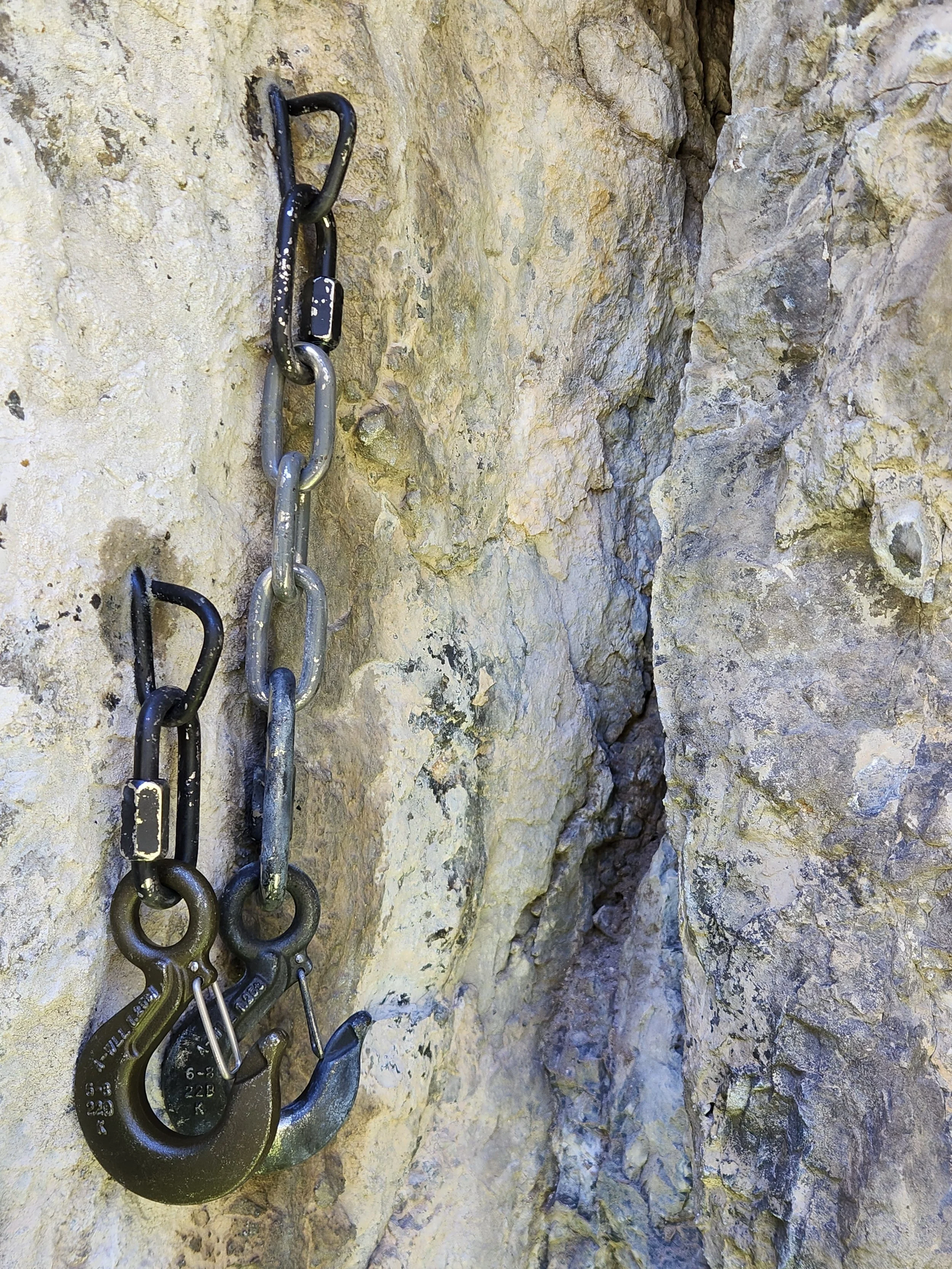
China Cave is also located within Logan Canyon, a designated National Scenic Byway. As part of that designation, the canyon's scenic qualities are protected and managed. Over the years, the Forest Service regularly received complaints regarding the visual impact of bright hardware, shiny chains, and fixed draws hanging from the cave.
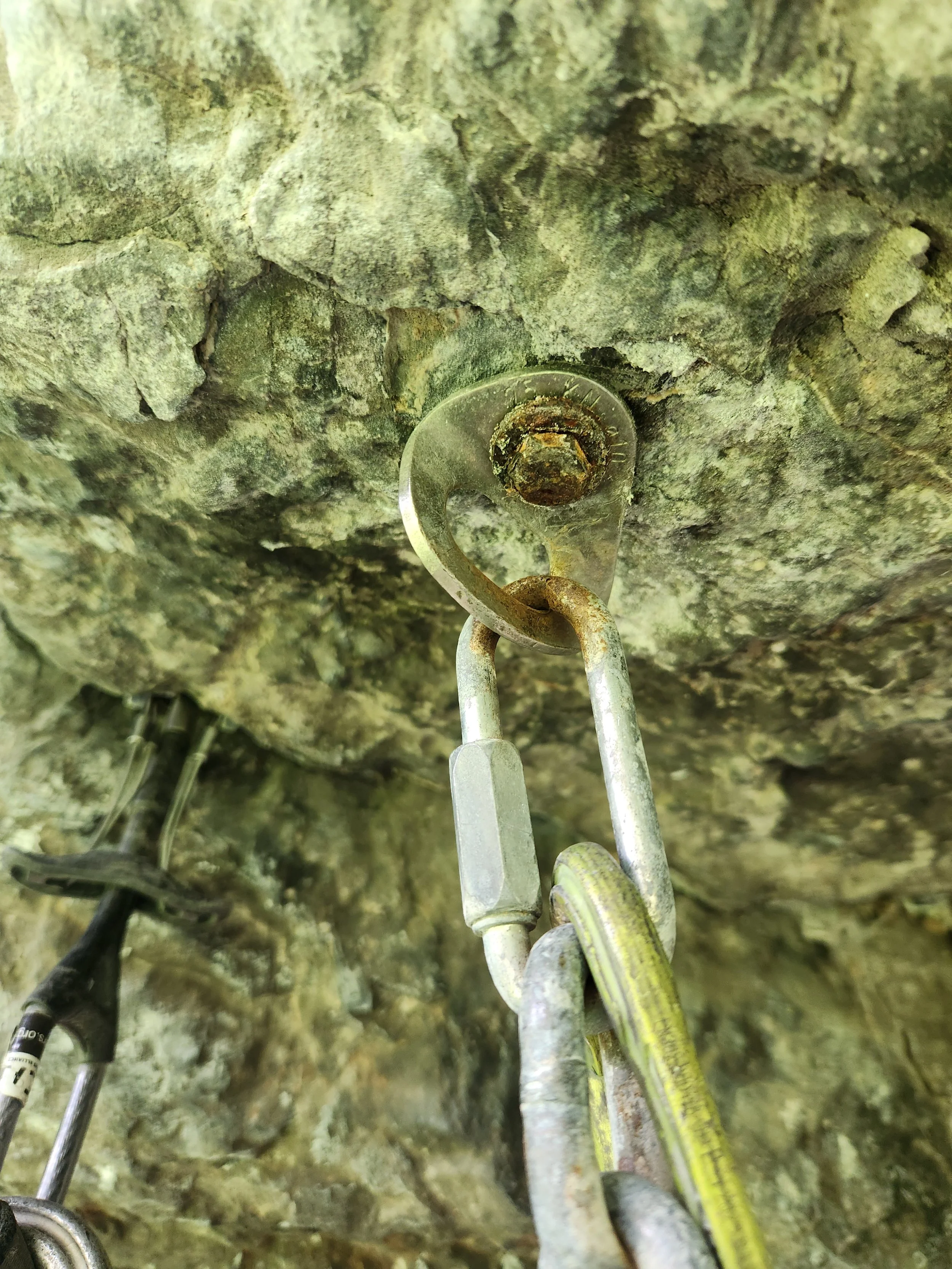
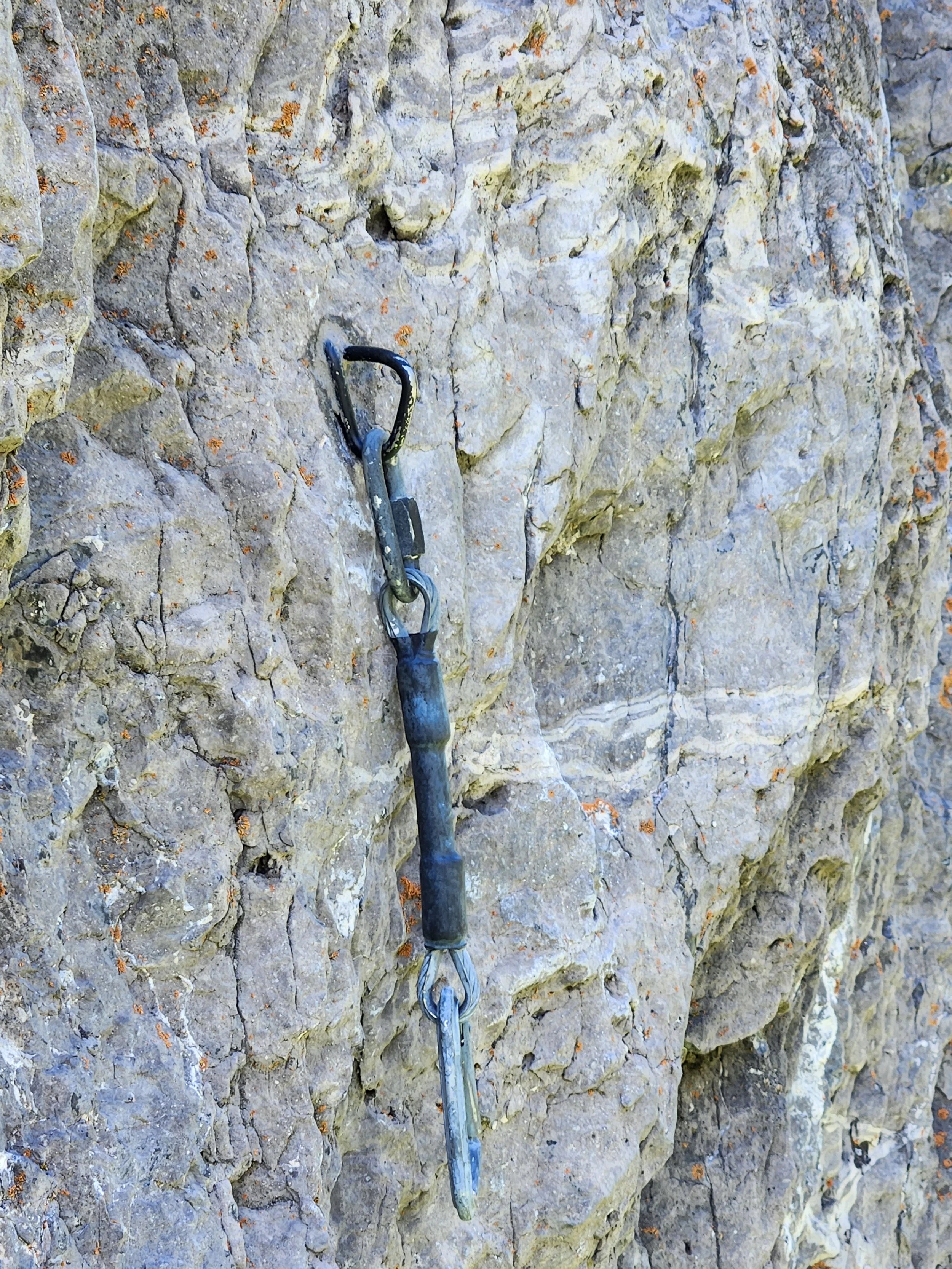
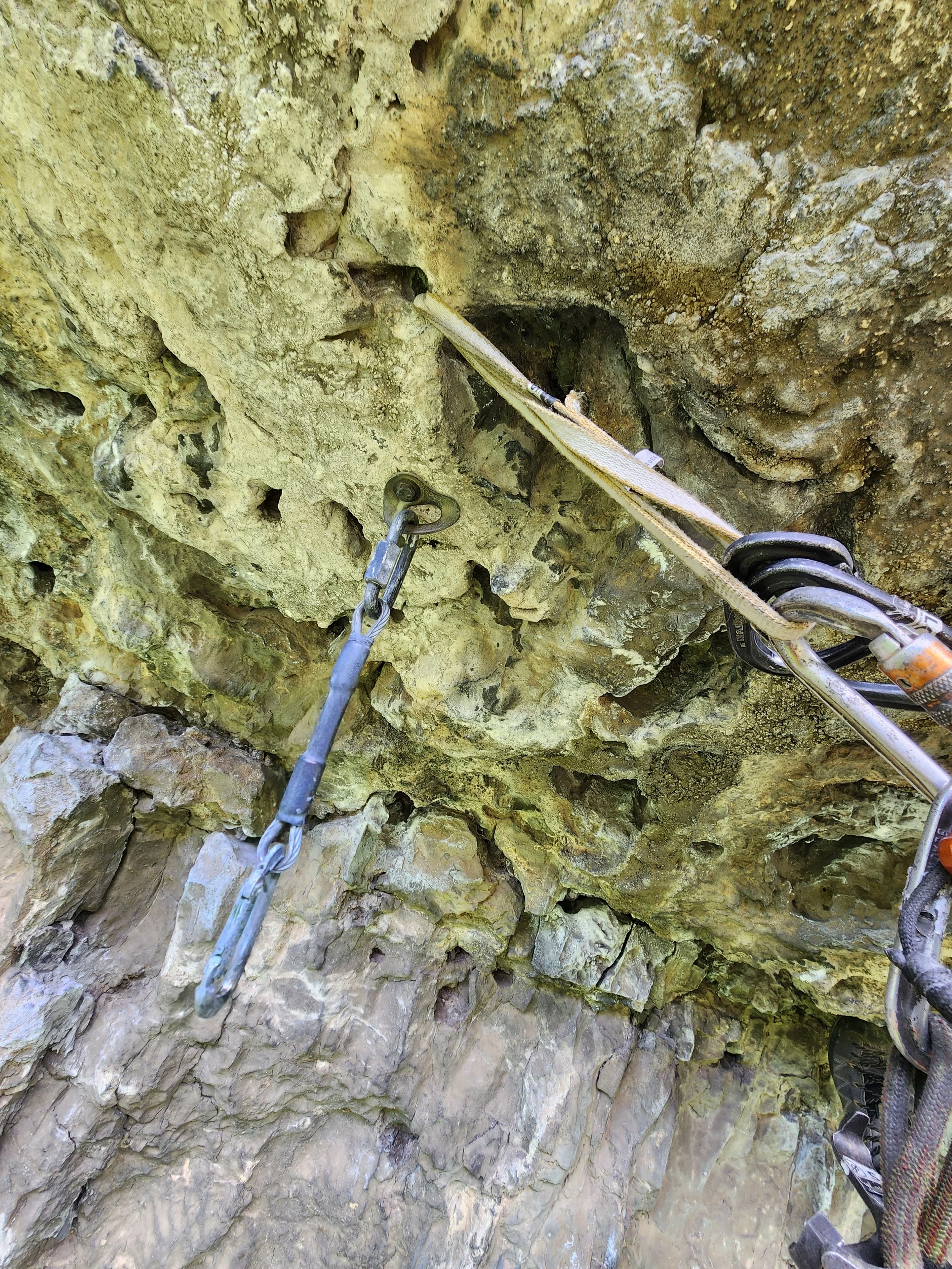
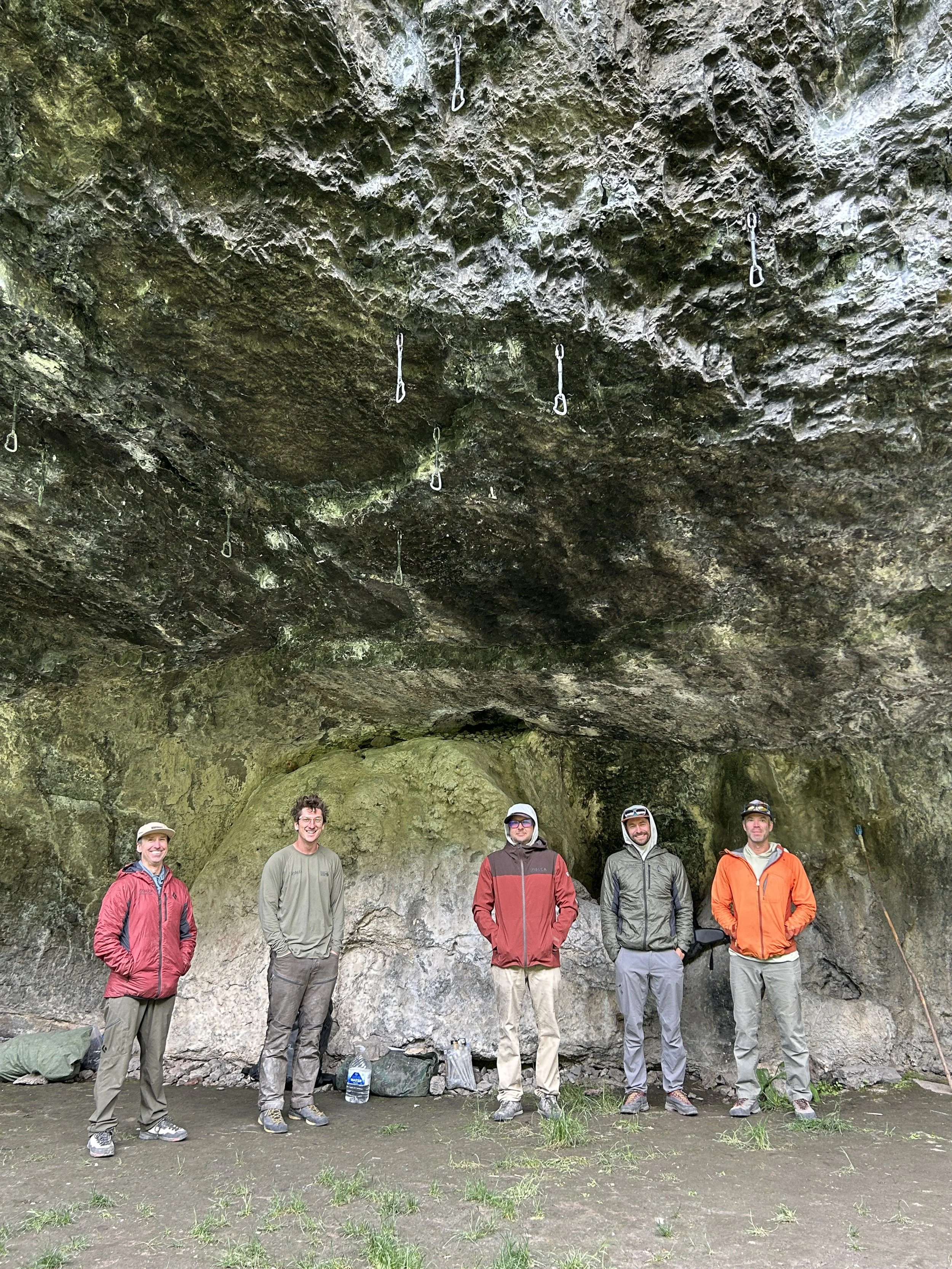
During initial discussions, one proposed solution was the removal of all fixed draws from the cave. However, doing so would have created significant safety concerns for climbers attempting to clean routes in such a steep and low-hanging cave environment. Through continued collaboration, a different solution emerged: replacing the existing draws with color-matched steel fixed draws and carabiners designed to blend into the rock while maintaining climber safety.
This effort was led by NUCA and members of the Logan and Northern Utah climbing communities. A huge thank you goes out to the volunteers who helped fundraise for, remove, and install the new fixed hardware throughout the cave.
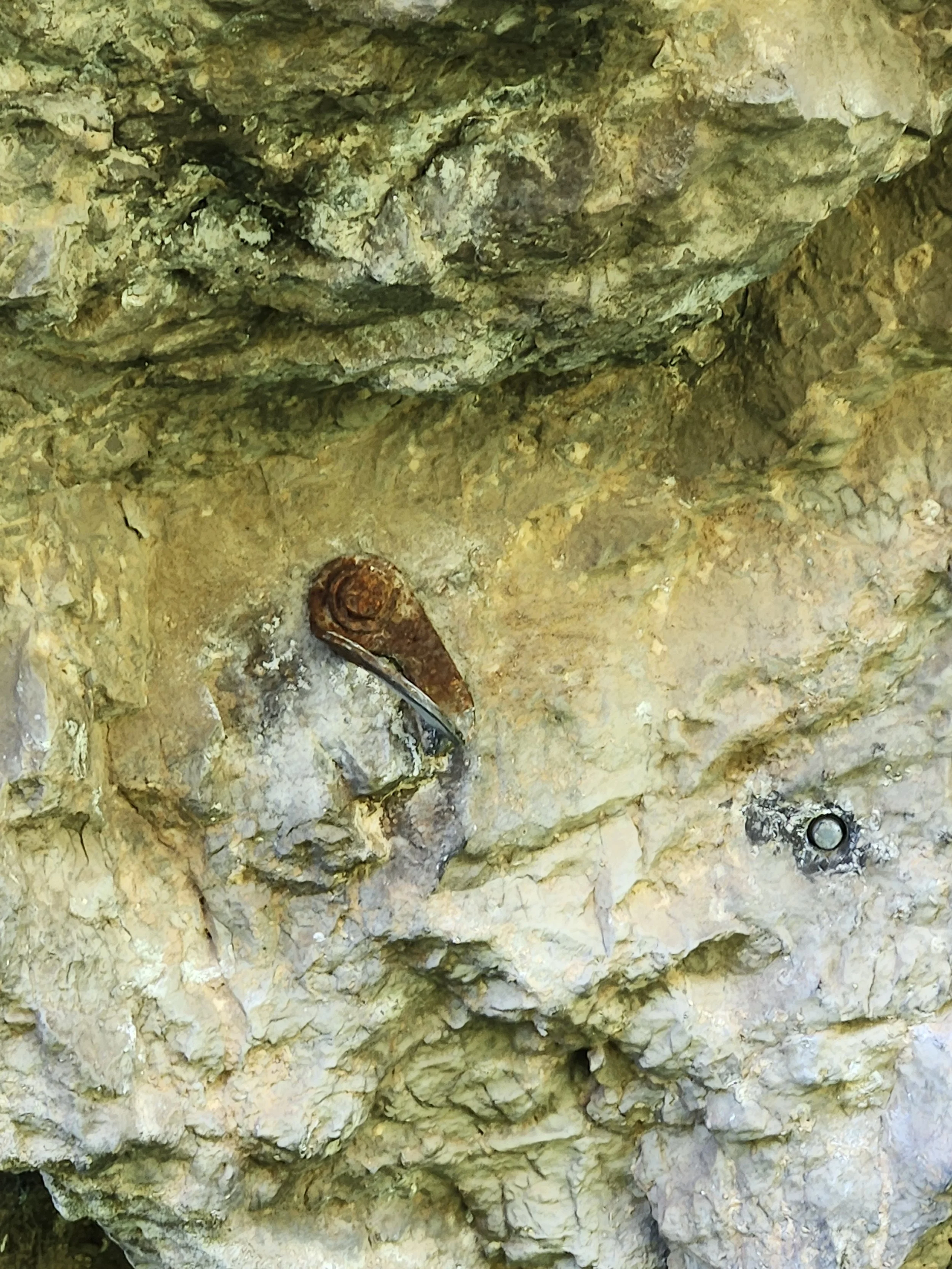
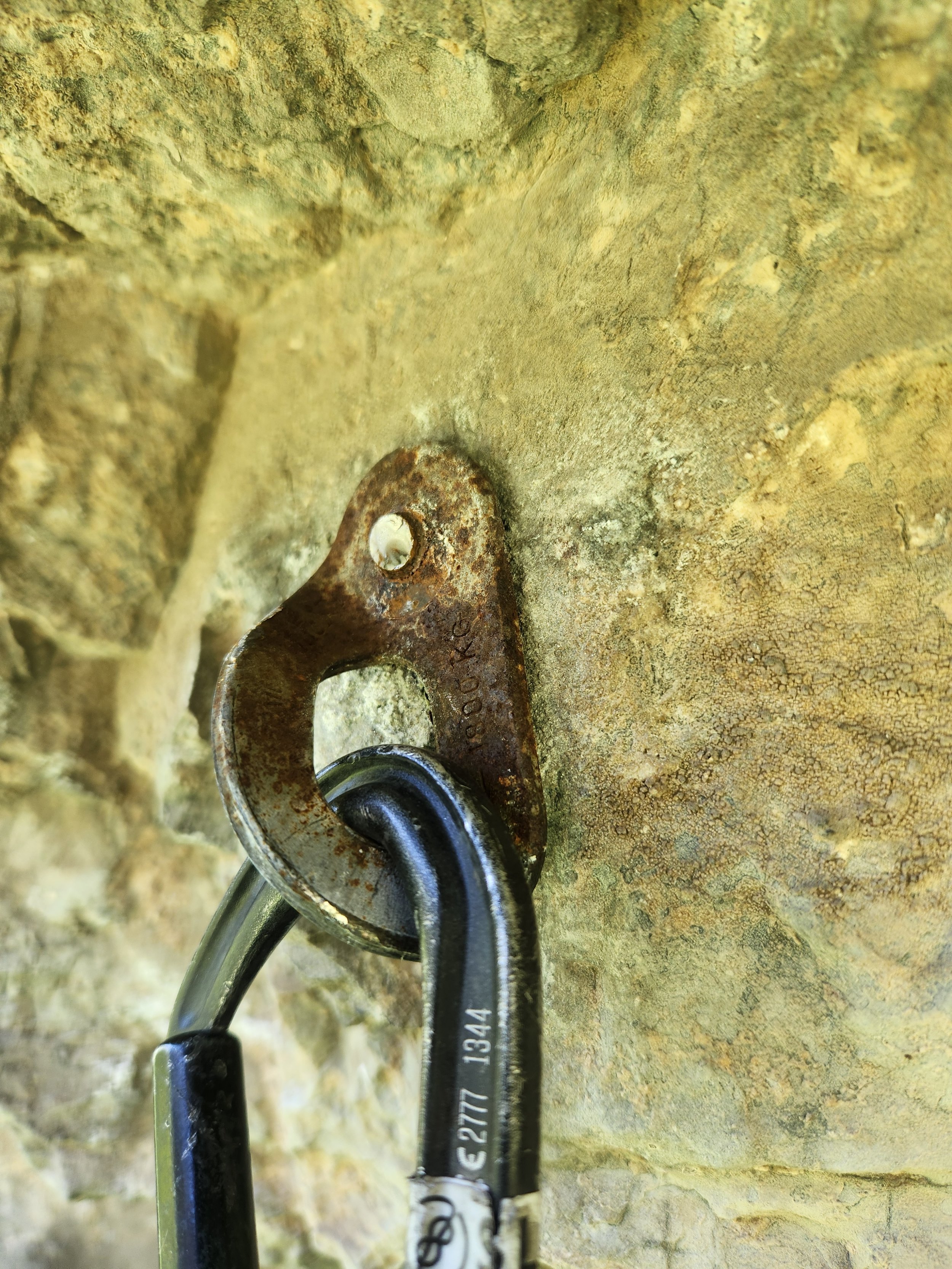
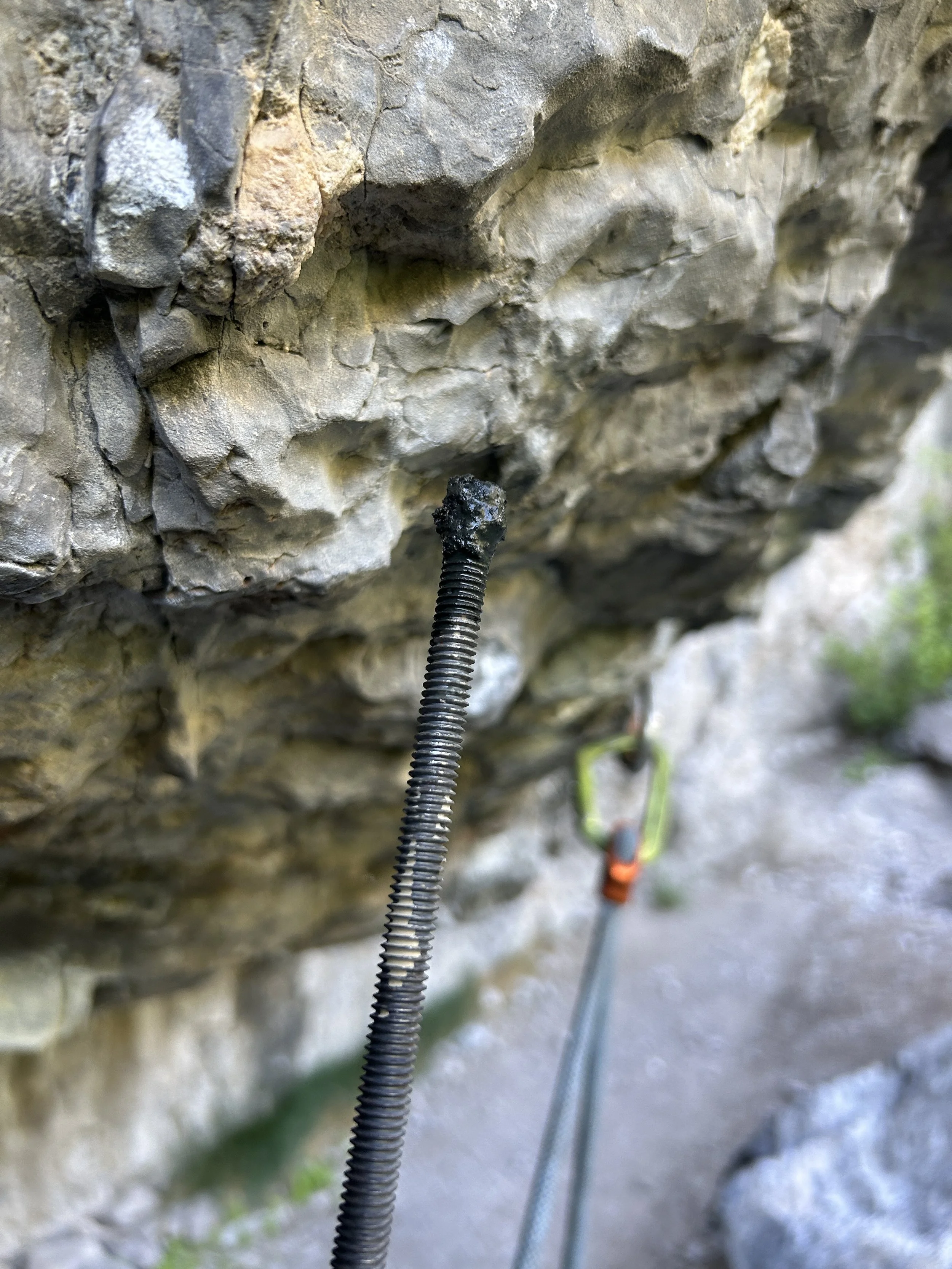
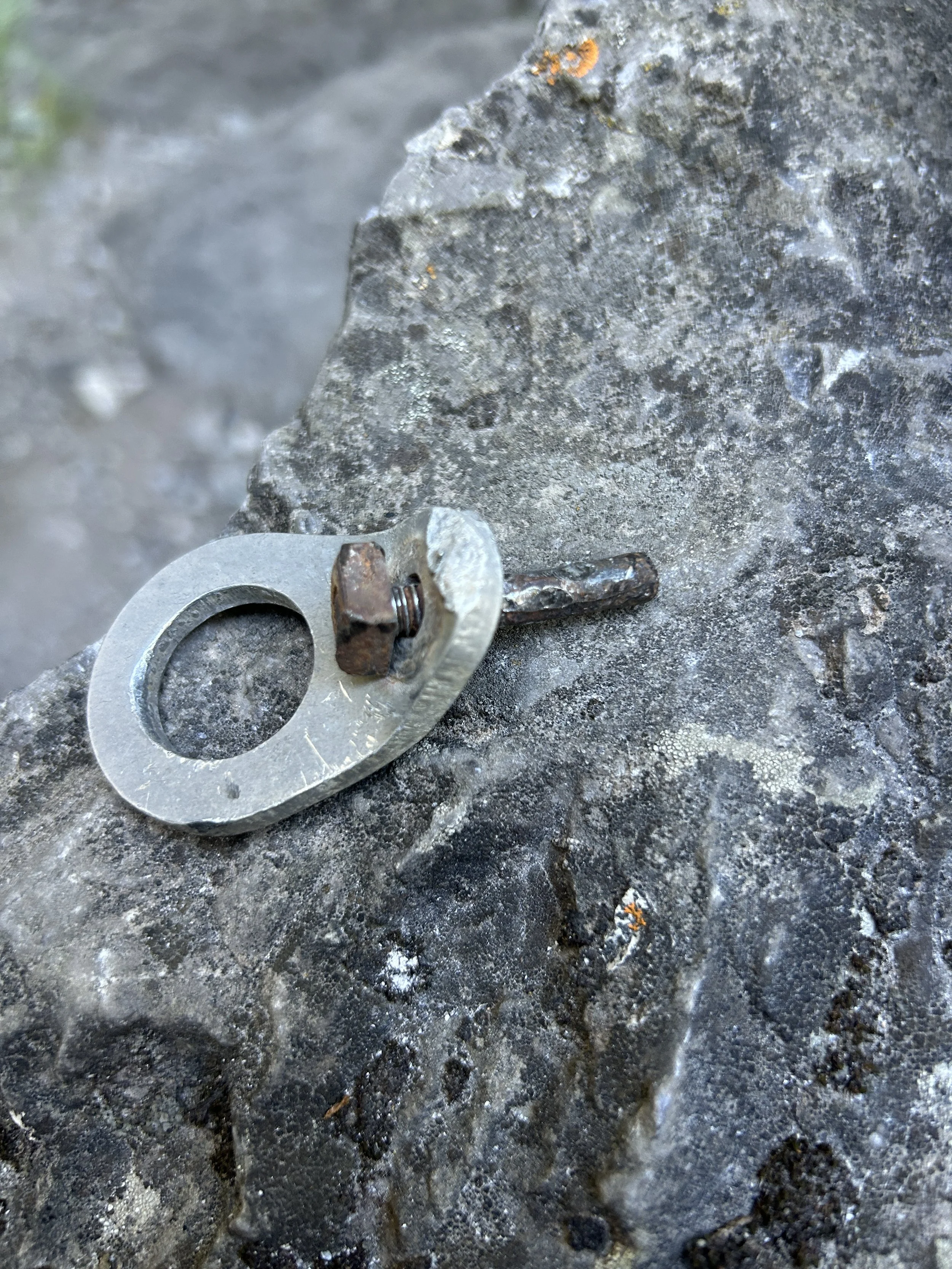
The second phase of the project involved replacing the aging bolts themselves. The plan was to install color-matched, low-profile Team Tough glue-in bolts to further reduce the visual impact of climbing hardware within the Scenic Byway corridor. As part of the agreement, two existing bolts were removed to discourage climbing directly on areas containing petroglyphs. An additional bolt was installed to facilitate a winch start, allowing climbers to access routes without impacting sensitive cultural resources.
From the first conversations to the completion of the work, this project represented roughly two and a half years of collaboration between climbers and land managers.
The Work
We're going to toot our own horn for a moment.
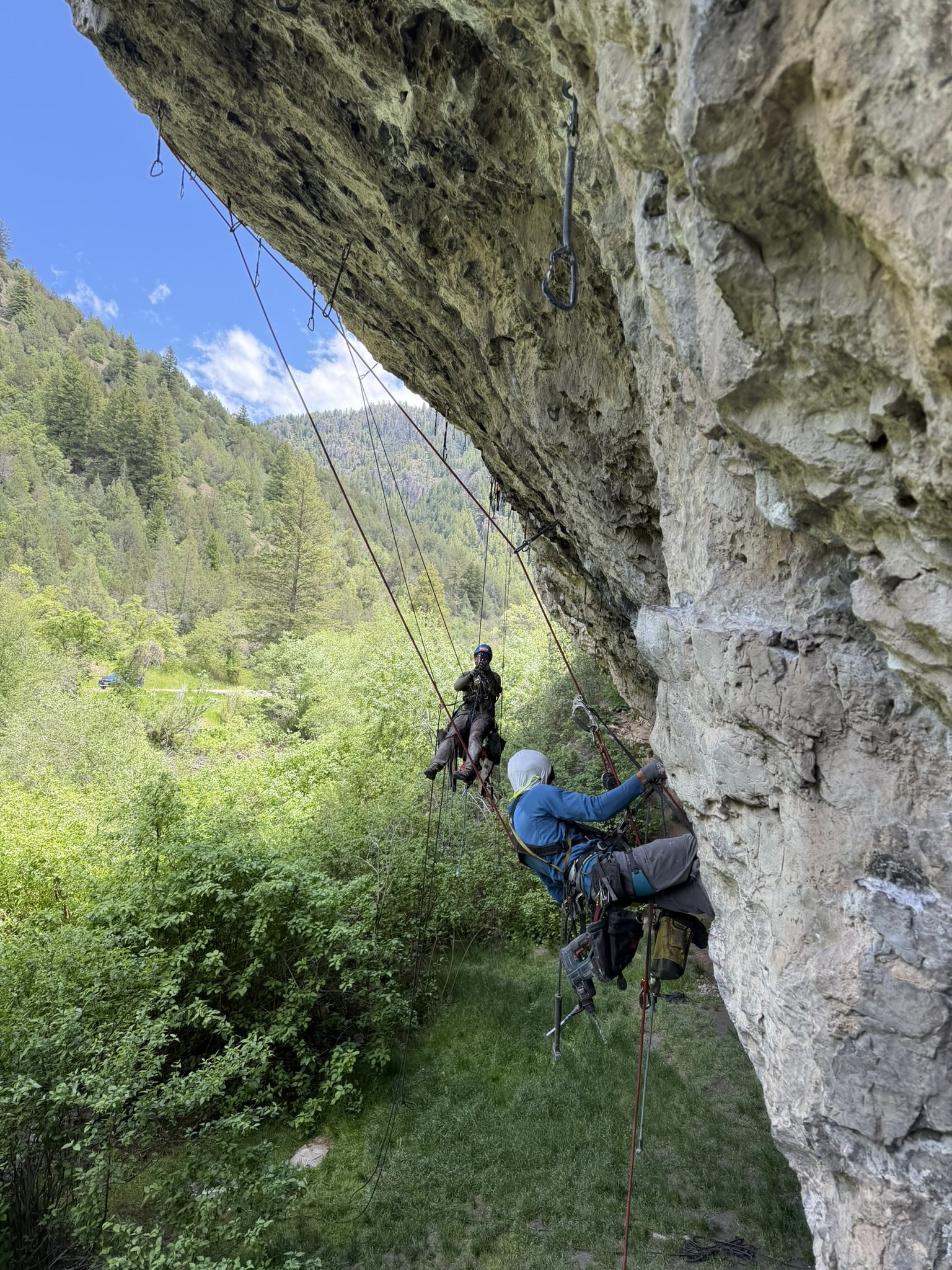
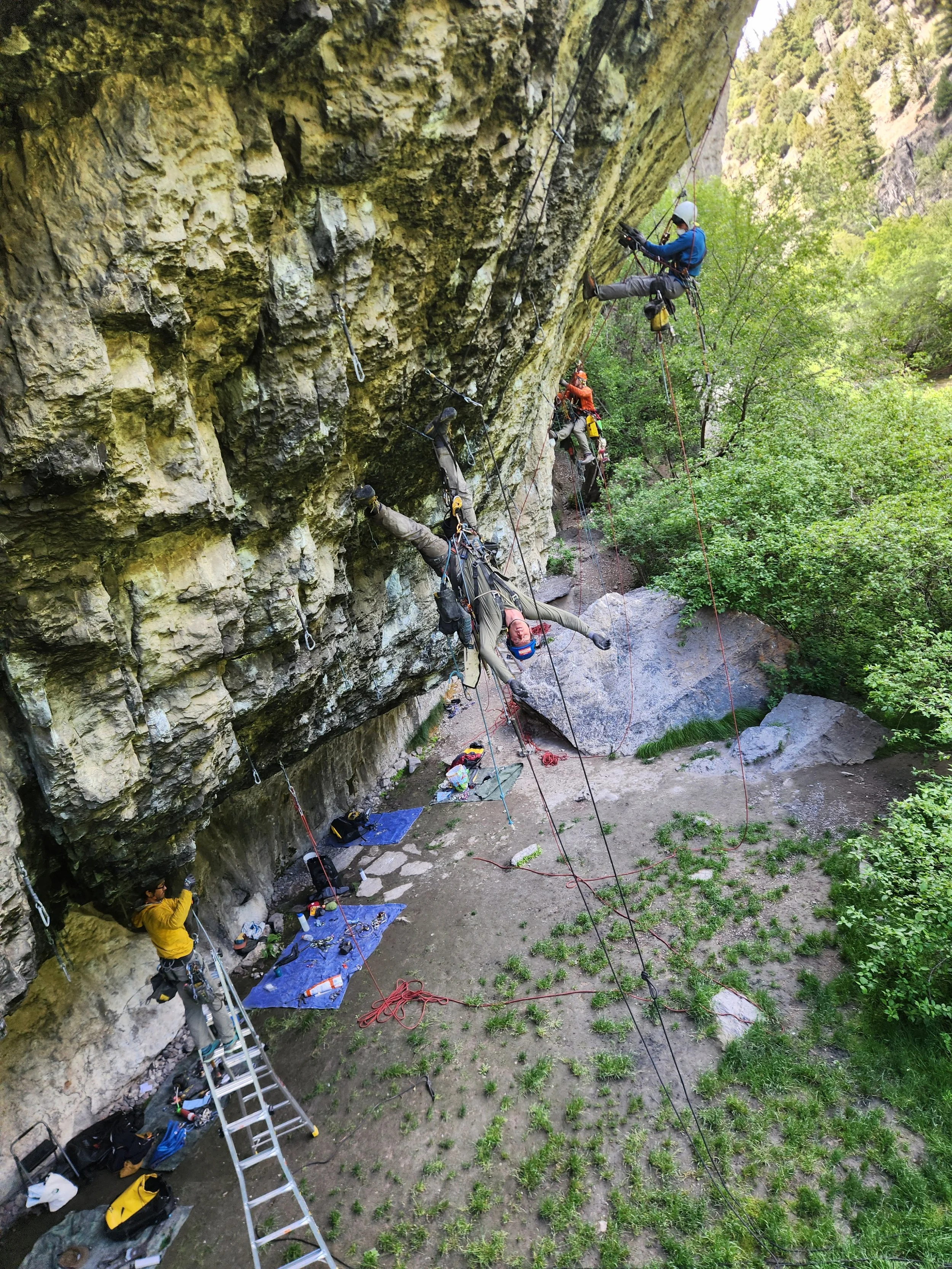
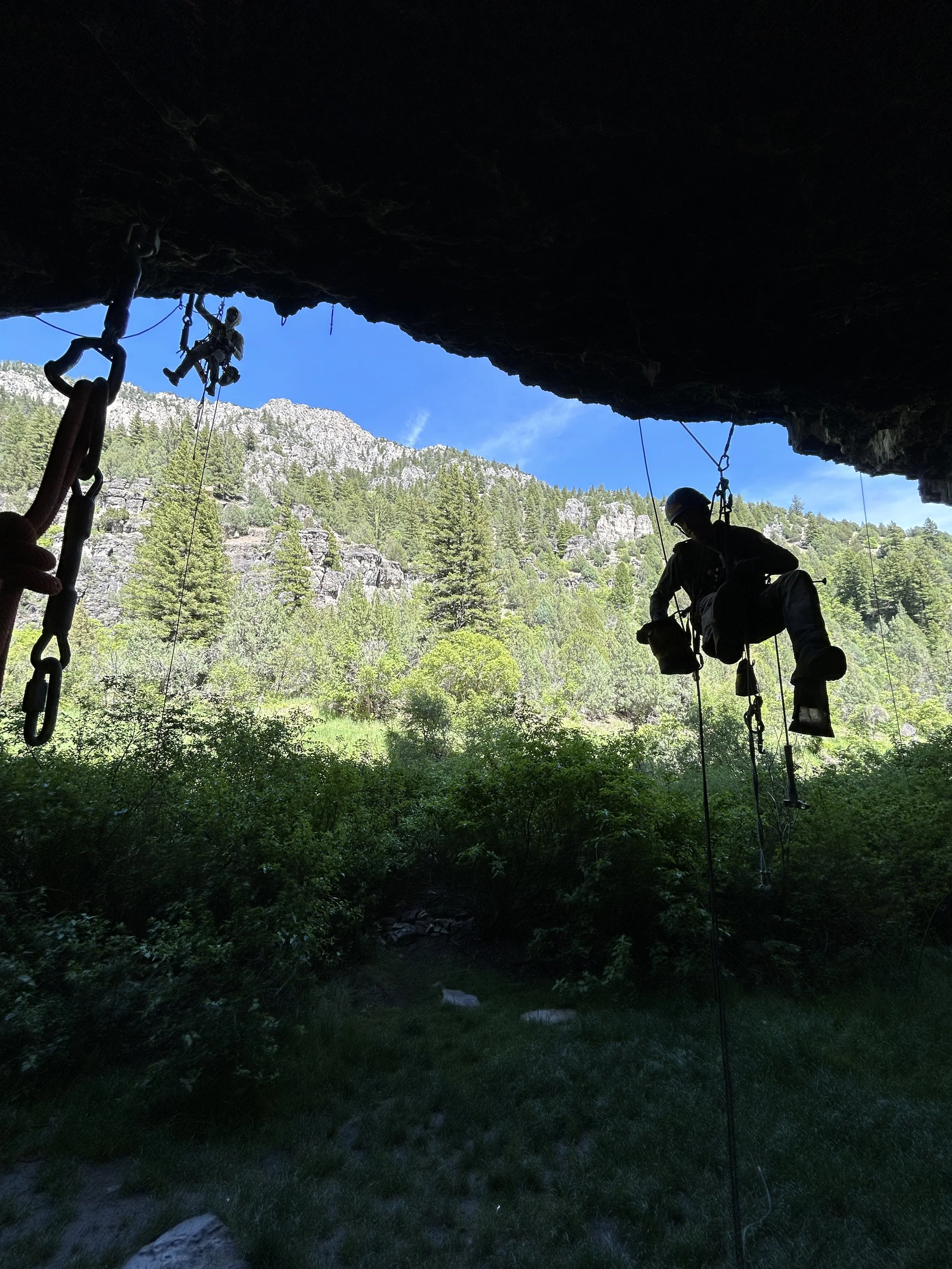
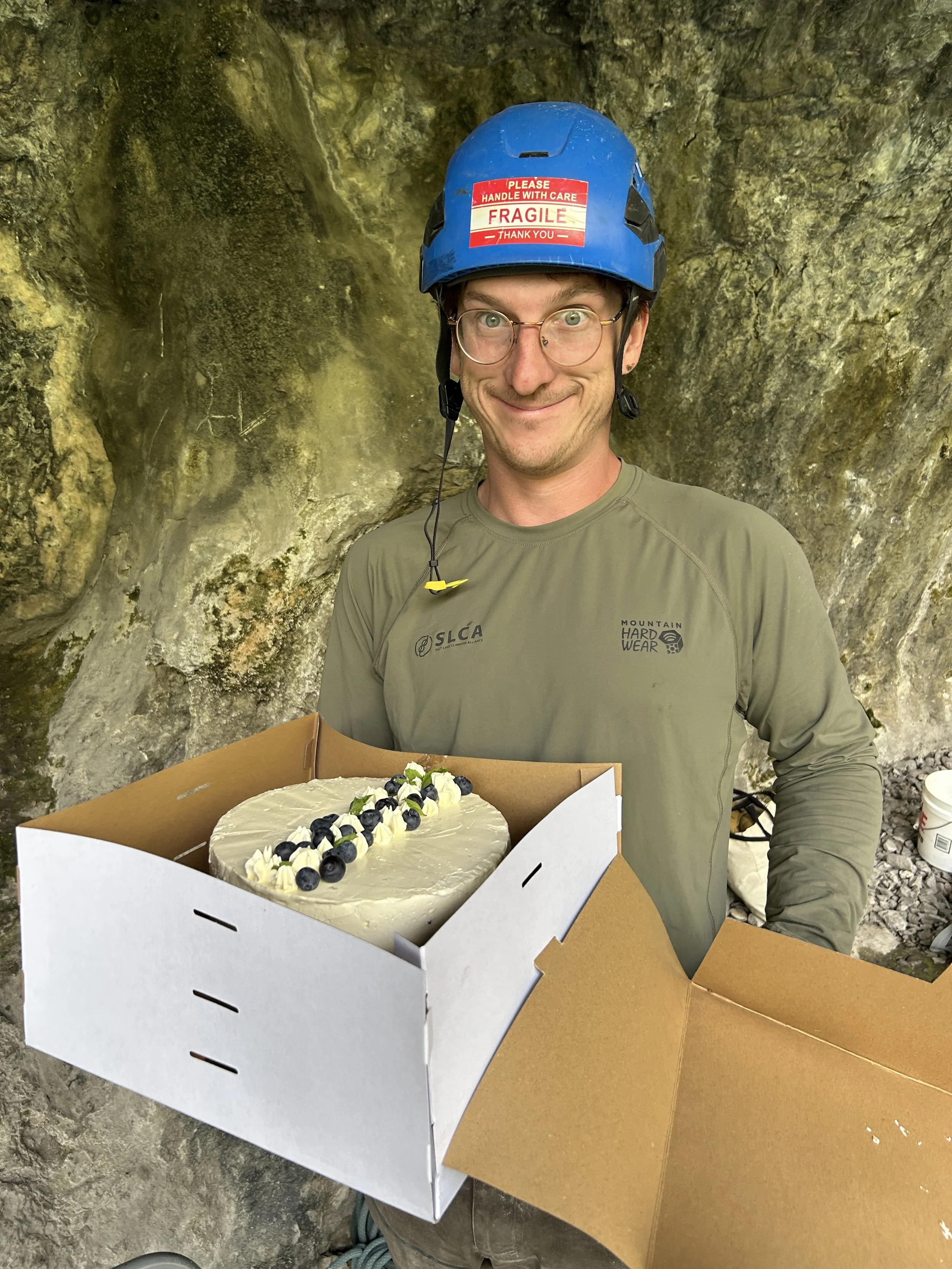
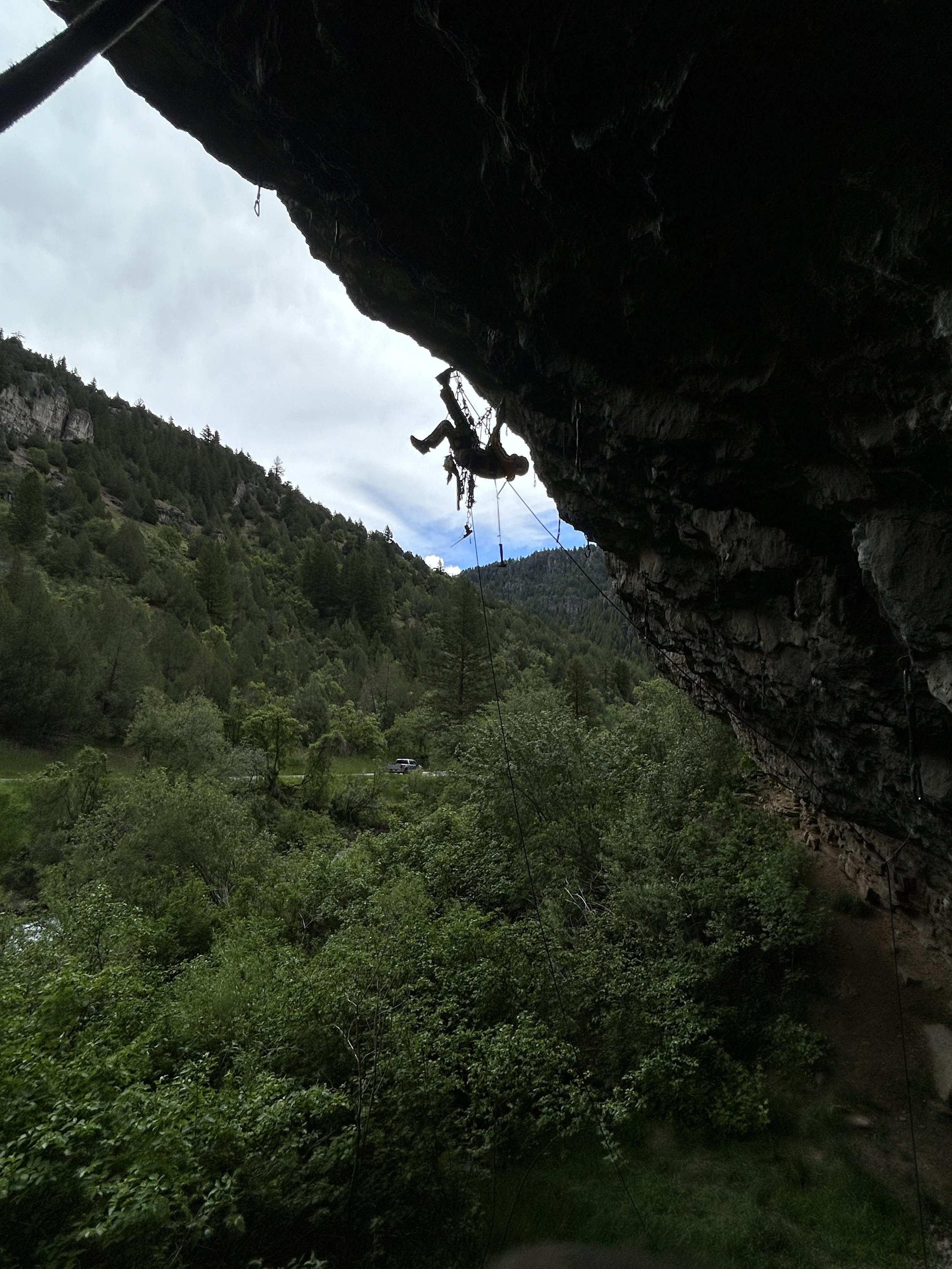
In just 3.25 days, the six-person Anchor Crew was able to rebolt approximately 99% of China Cave. This accomplishment was the result of years of accumulated experience, technical knowledge, rope access skills, and efficiency developed by the SLCA Anchor Crew.
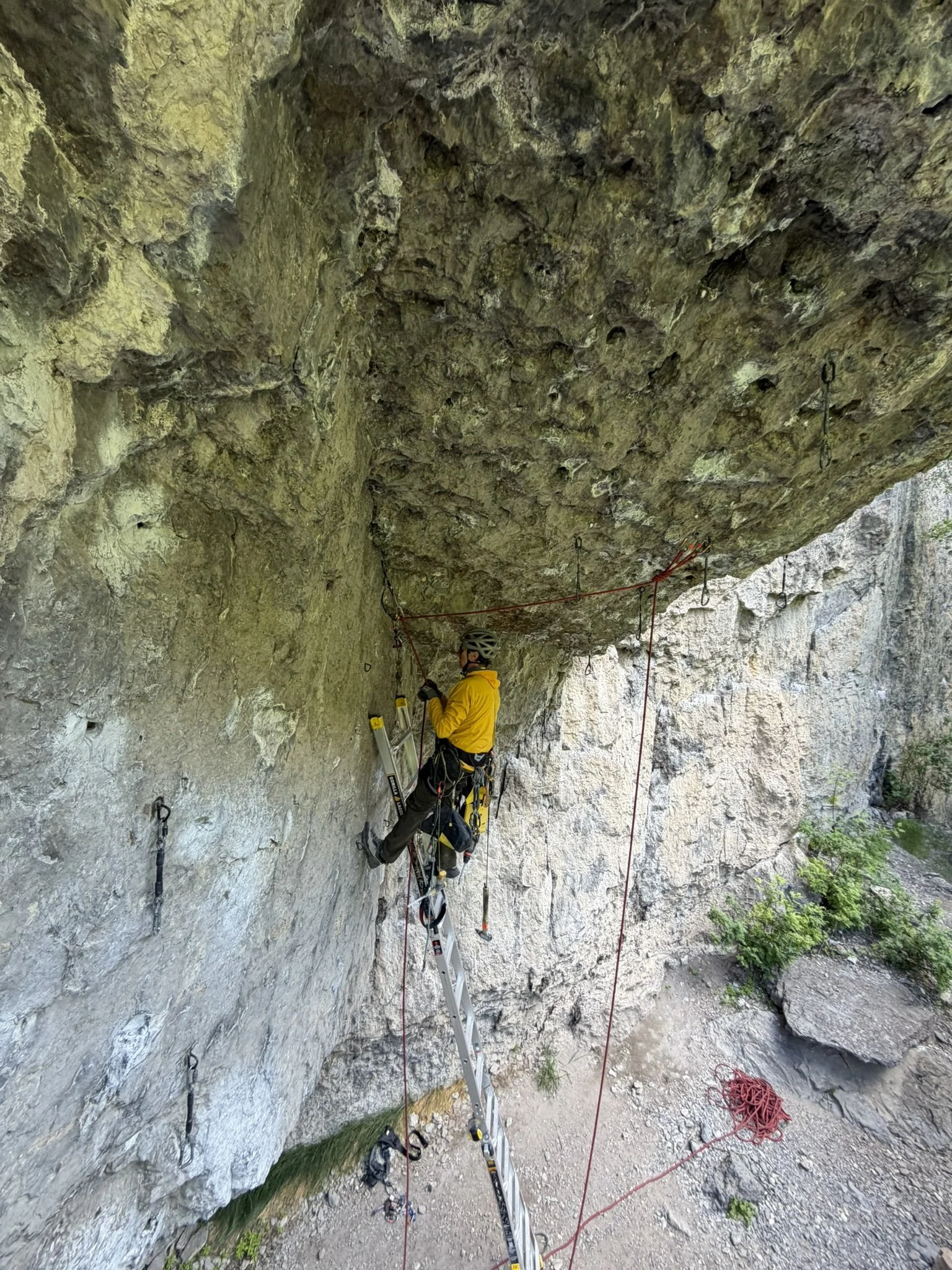
This was far more involved than a simple remove, patch, and drill-new-hole operation. Many of the bolts were replaced hole-for-hole, requiring removal techniques and careful installation practices while positing in such steep terrain. The ability to reuse existing placements wherever appropriate helped minimize impacts to the rock while maintaining the intended character of the routes.
To accomplish this work, the crew utilized ladders in some of the steepest sections of the cave. While ladder use is not a standard part of our operations, all ladder work was conducted with backup rope systems and rope-positioning techniques to ensure worker safety.
Throughout the week, crew members worked together to position one another, transfer fixed hardware, and efficiently move through the cave. Every bolt in the cave was evaluated and addressed. The few bolts that were not replaced were already modern 1/2-inch stainless steel mechanical bolts installed in sound rock and did not warrant replacement. All steel fixed draws were transferred to the newly installed hardware.
After making quick progress in the main cave, the crew shifted their attention to the routes on the right side of the formation, commonly known as the China Cave Slab. By the end of the week, nearly every route from A Gang of Four to Bolt Ladder Extension had received hardware upgrades, with only a handful of bolts remaining untouched.
In Total
Over the course of the project, the Anchor Crew replaced hardware on approximately:
China Cave: 39 routes, extensions, and variations
China Cave Slab: 12 routes, extensions, and variations
In total, more than 50 routes, extensions, and route variations received hardware upgrades during the week. This effort represents one of the most significant rebolting projects undertaken by the SLCA Anchor Crew to date and helps ensure that Logan Canyon's most iconic sport climbing destination remains safe, sustainable, and respectful of the area's cultural and scenic values for years to come. If you like this work and want to support, please consider donating:
Thank you to those who support this project:
Utah Office of Outdoor Recreation
Utah State Historic Preservation Office
Dale Goddard
Miranda LaRuth
Brendan Nicholson
Emily Perry
Lawrence Odette
Kevin Wise
Unkown