Advocacy: Climbing, Heritage, and the Power of Storytelling
What happens when recreation becomes cultural heritage?
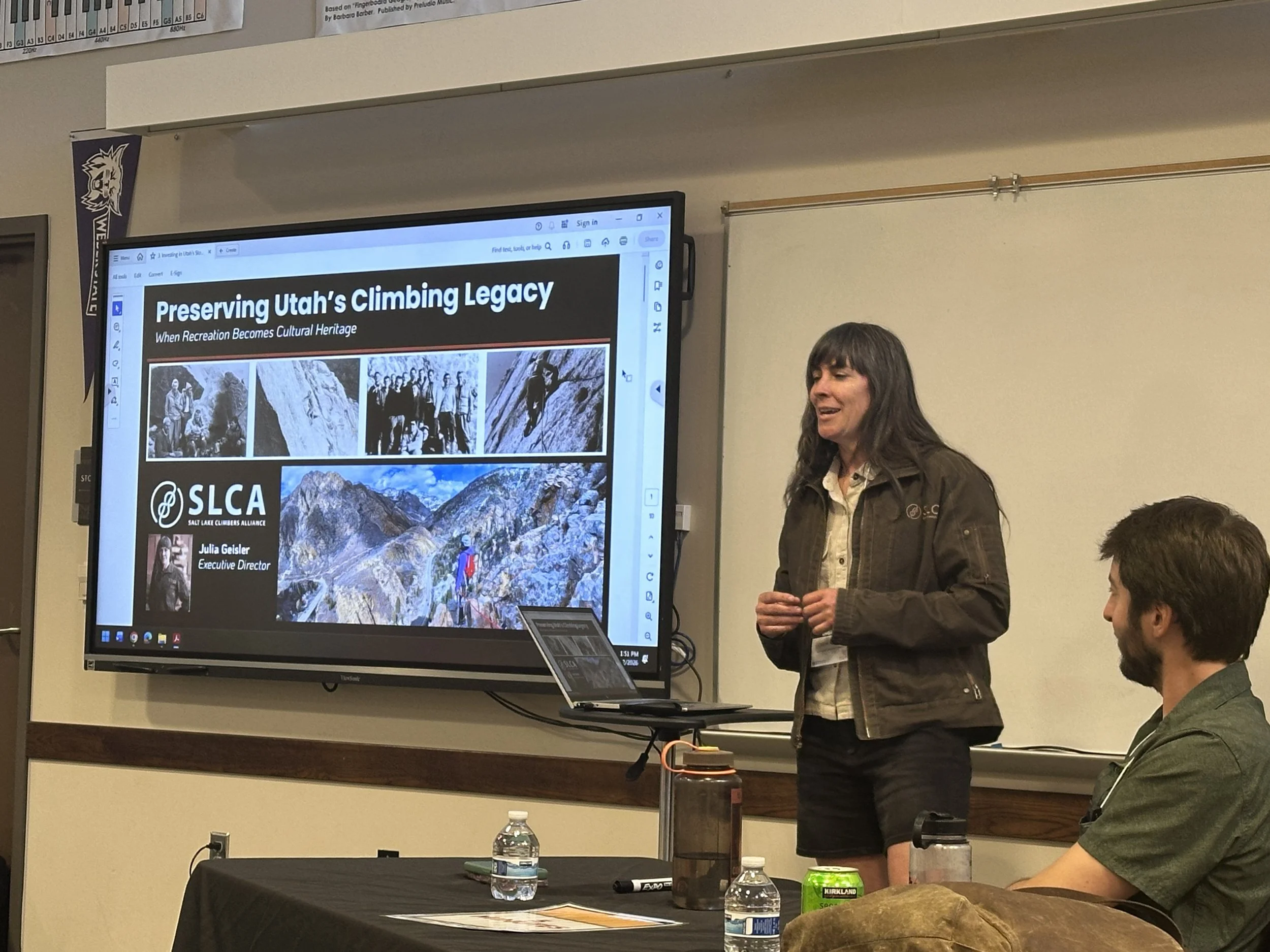
That was the question SLCA explored at the 2026 Preservation Engaged Conference in Ogden, where Executive Director Julia Geisler joined preservation professionals, historians, archaeologists, planners, and community advocates from across Utah to discuss the intersection of recreation and historic preservation.
SLCA’s presentation, Preserving Utah’s Climbing Legacy, shared how climbing landscapes can serve as both recreational resources and important cultural places. Using the Alpenbock Loop Climbing Area Historic District as a case study, attendees learned how Little Cottonwood Canyon became home to the nation’s first recreational climbing area listed on the National Register of Historic Places.
The discussion highlighted a growing recognition that the stories, traditions, and infrastructure associated with outdoor recreation are worthy of preservation alongside more traditional historic resources. Trails, climbing routes, access corridors, and the communities that built them all contribute to Utah’s cultural landscape.
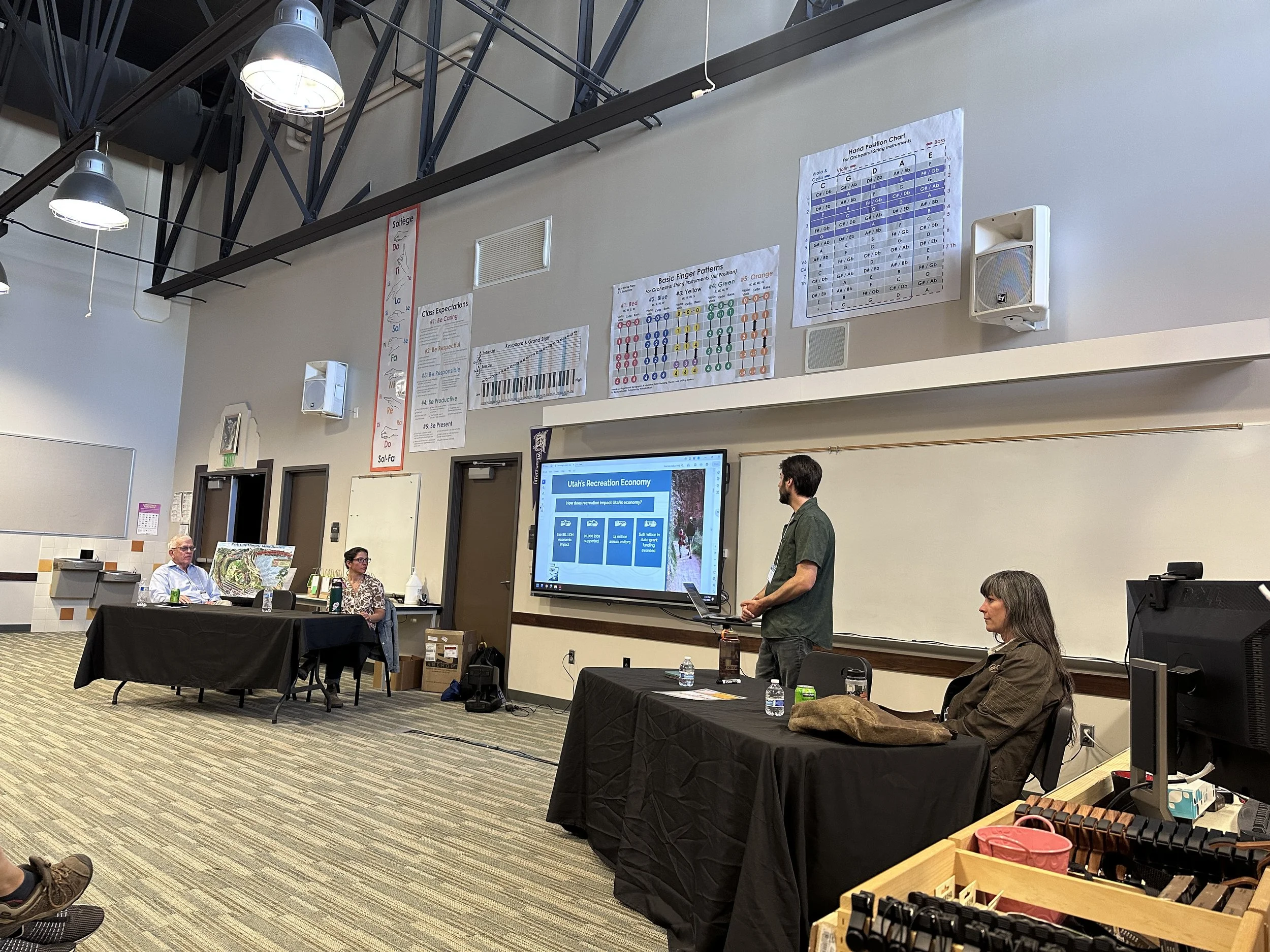
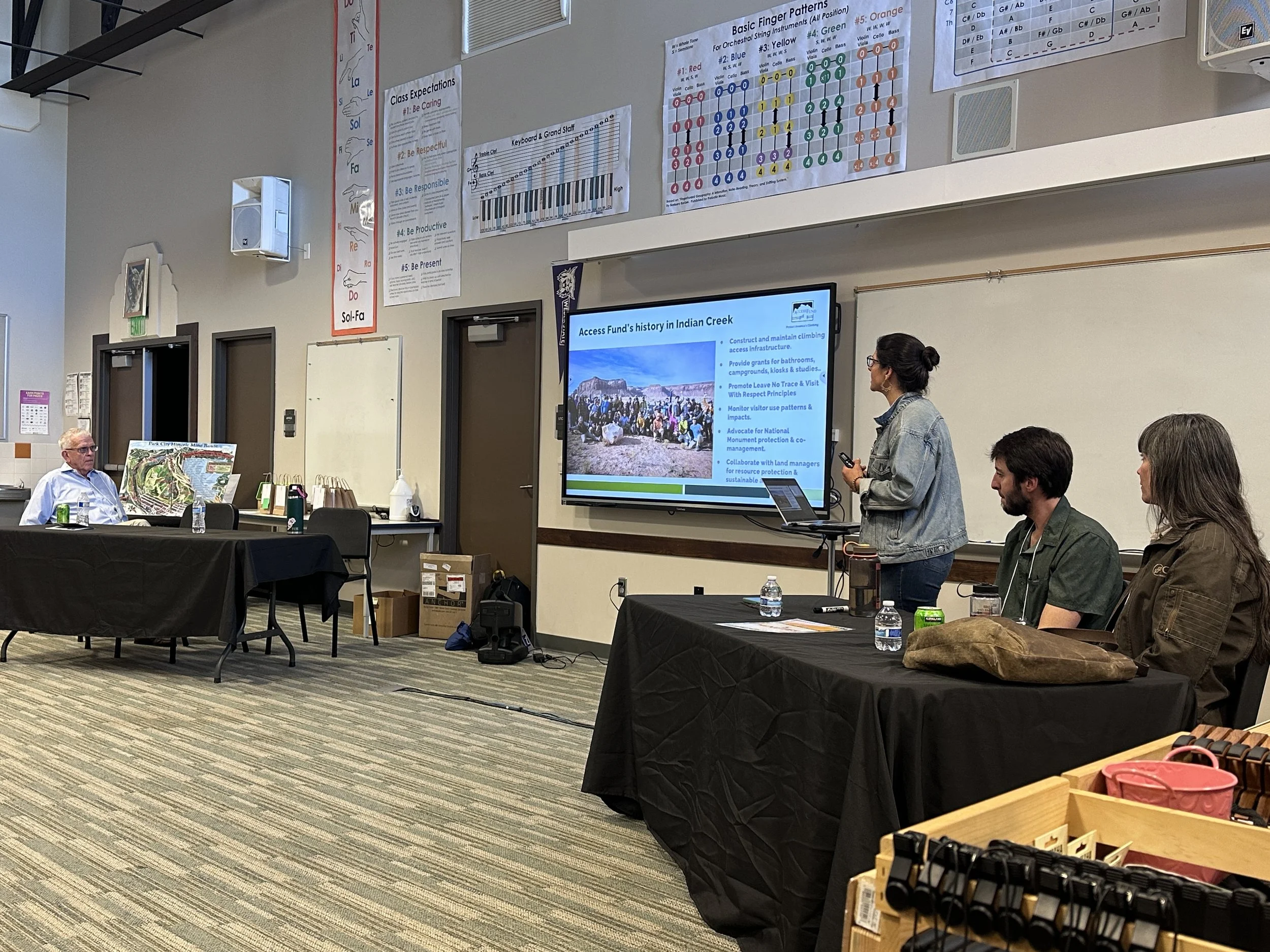
SLCA was honored to participate in a panel with the Utah Division of Outdoor Recreation, Access Fund, and Friends of Ski Mountain Mining History focused on how recreation funding can support stewardship, education, and heritage preservation across the state.
Thank you to the Utah State Historic Preservation Office, and everyone who attended for welcoming climbing into the broader conversation about preserving Utah’s past and shaping its future.
Because protecting a place isn’t just about conserving land—it’s about preserving the stories that connect people to it.